Portugal real estate market trends: What’s growing, what’s slowing, and where smart investors are buying
written by
Jack Hare
Portugal has long been admired for its golden light, Atlantic coastline and relaxed pace of life.
But this country on the very edge of western Europe has recently earned another reputation, as one of Europe’s most resilient and attractive luxury real estate destinations for international investors.
What started as a story of recovery from the 2008 Global Financial Crisis has evolved into a sophisticated property market shaped by those international buyers, plus domestic demand, regulatory change and shifting lifestyle priorities.
Today, Portugal’s appeal isn’t just about location, location, location – it’s about strategy, to the power of three, and investors and lifestyle buyers alike need to know where the market is heading rather than simply following past success.
So, what’s growing, what’s slowing, and where are smart real estate investors positioning themselves next?
Portugal's real estate market continues to rise in 2026
A market evolving beyond the Golden Visa real estate route era
For much of the past decade, foreign demand fuelled strong growth in Lisbon, Porto and the Algarve, but Portugal’s property market has matured into something broader and more balanced.
Rather than chasing headline hotspots, investors are increasingly looking for fundamentals: infrastructure, ‘livability’, rental logic and long-term sustainability.
This has created new opportunities, particularly outside the traditional prestige zones – the country’s two biggest cities and the Algarve.
What’s growing in Portugal real estate
Portugal’s secondary cities are enjoying robust growth and attracting serious attention through lower entry prices and improving quality of life, bringing in many young professionals, remote workers and long-term renters.
Cities such as Braga, Coimbra and Aveiro combine strong local economies with cultural appeal and growing international awareness. These markets offer attractive property ROI yields compared to Lisbon, while still benefiting from rising demand and infrastructure investment.
For investors, they provide a compelling balance between affordability and growth potential.
Portugal’s housing shortage has shifted investor behaviour away from speculative ‘flipping’ – a quick buy, cursory upgrade and then sale – and more toward long-term income-producing assets.
Real estate values continue to rise across Portugal
This has also been driven by new regulation of short-term tourism rentals, notably via Portugal’s Alojamento Local (AL) introduced in 2014. This licence regulates and ensures properties meet safety, hygiene and quality standards when rented to tourists or short-term holidaymakers.
So, investors are looking longer term, at purpose-built rental developments, renovation projects for long-term tenants, and mixed-use residential communities, creating a more stable and predictable investment model particularly in urban and university-driven locations like two of Portugal’s rising property stars, the cities of Braga and Coimbra.
Eco-Lifestyle and Wellness Property in Portugal
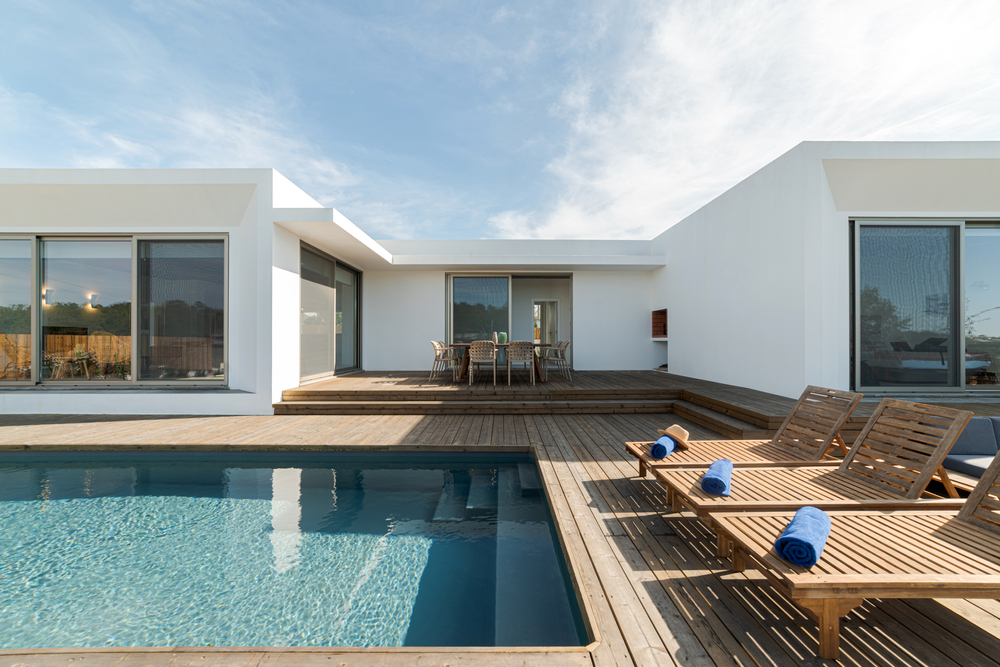
Lifestyle priorities have changed dramatically on the Portugal real estate market in recent years. Buyers no longer seek square meterage, but airiness and light-filled space, sustainability and wellbeing.
So, demand is rising in these key property segments:
Energy-efficient homes
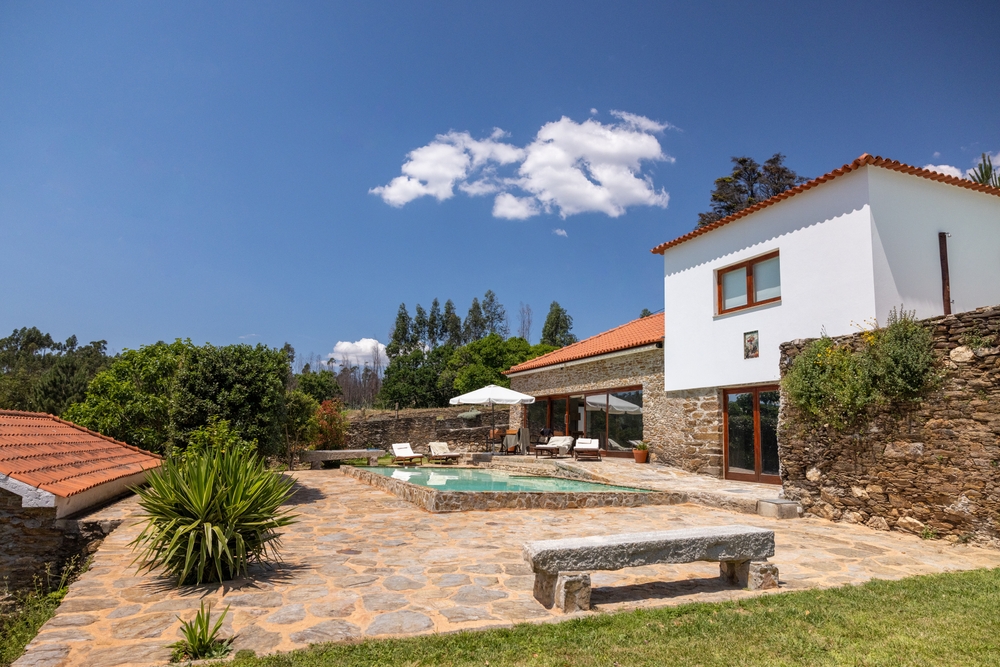
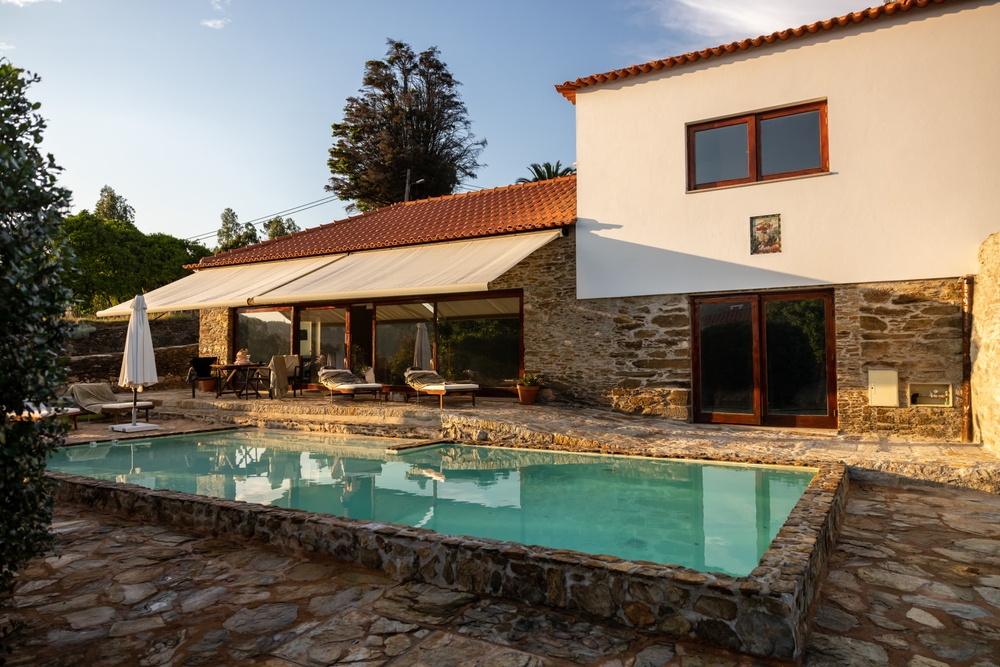
Countryside estates
Low-density developments
Wellness-focused living environments
And that is bringing regions like Alentejo and inland Algarve into play with buyers hunting tranquillity, design quality and year-round living, rather than seasonal tourism.
Alentejo is a major region between the Lisbon hinterland and the Algarve, offering a rich blend of sun-drenched plains, rolling hills, cork oak forests, vineyards, and rugged Atlantic coastline. It includes the cities of Évora, Beja, Sines, Serpa, Estremoz, Elvas, and Portalegre, plus several of Portugal’s important and increasingly famous natural parks.
Similarly, inland Algarve contrasts sharply with the region’s sunshine tourist-driven coastal area. Visitors to the interior come for rolling hills, traditional towns and villages like Monchique, a picturesque hillside town known as the Algarve’s ‘green lung’ that offers thermal spas, forests, hiking trails and local crafts.
Secondary cities and inland locations often provide better value for money
What’s slowing in Portugal real estate
Portugal’s real estate market is not cooling, but it is becoming more selective and nowhere is this clearer than in the capital.
Central Lisbon remains desirable, but a prime postcode there is no longer enough to guarantee performance. As acquisition costs rose and rental margins were squeezed, investors began to focus more on asset quality and long-term usability, rather than speculative buying and selling.
So, price growth has moderated in the capital’s established neighbourhoods such as Chiado, Príncipe Real and Avenida da Liberdade but, as you will read later, some Lisbon districts are on the up.
The same trends are appearing in other hotspots, such as Porto and the Algarve coast.
Short-term rental dependency
As mentioned above, stricter regulation of short term rentals due to the 2014 introduction of the Alojamento Local has reshaped the tourism sector, with these consequences in many areas:
New rental licences were restricted
Operating costs increased
Compliance requirements became more complex
Portugal Pathways can support your search for luxury real estate in Portugal
An update in 2024, eased the position, notably by:
Making rental licenses permanent rather than expiring after five years
Allowing property to be sold on with the license intact in most areas
Empowering local councils/municipalities to define their own ‘contention’ or ‘sustainable growth’ zones for short term rentals.
Nevertheless, the smarter Portugal real estate investor has switched to hybrid or residential-first strategies rather than relying solely on short-term tourist demand.
And while Portugal still attracts high-net-worth buyers, they are avoiding ultra-luxury developments that simply aim to catch the eye with upmarket finishes and breathtaking views. They want:
Accessibility
Neighbourhood identity
Investment potential
Lifestyle integration
So, luxury must now make financial and practical sense to any Portugal real estate investor who is in it for the long game.
Where smart investors are buying
‘Up and coming’ Lisbon – we reported earlier how some districts in Lisbon no longer enjoy exponential growth in property prices, but there are some emerging districts on investors’ radar, such as Marvila, Beato and Alcântara.
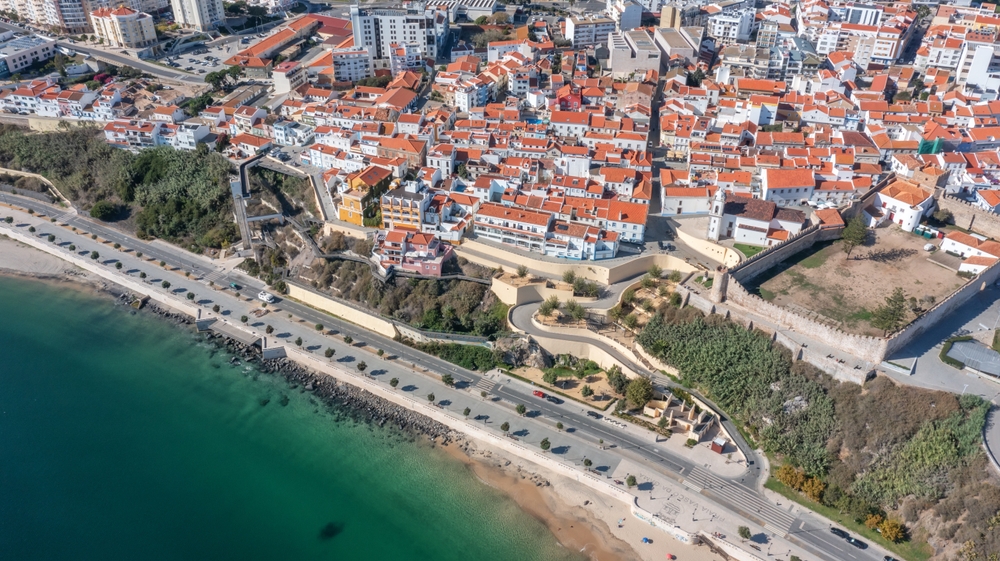
Explore real estate opportunities outside of Portugal's key hospots
The attractions here are:
Lower prices
Strong transport links
Urban regeneration
Creative and lifestyle appeal
These combine to offer long-term growth potential with realistic rental demand.
The Algarve - beyond the resorts
While Quinta do Lago and Vilamoura remain premium destinations, investor interest is widening toward towns like Lagos, Tavira and the Silves hinterland which offer property investors:
Year-round rental demand
Lifestyle migration
Lower entry premiums
Broader buyer pools
Inland Portugal – the nation’s new property star?
Remote working has permanently altered living patterns around the world, and had a marked effect on Portugal’s real estate sector, for investing and renting alike.
And as property hotspots like Lisbon, Porto and the Algarve have seen prices soar, putting pressure on investors’ ROI, the lower acquisition costs found inland have caught the eye.
Locations such as Fundão, Castelo Branco and central Alentejo appeal to buyers seeking culture and authenticity, space and affordability, while still benefiting from improving infrastructure and digital connectivity as more investment is drawn in. The steadiness of this real estate growth also offers lower volatility with long-term gains.
The student and medical factor
Cities that are home to universities and hospitals provide some of Portugal’s most stable rental environments.
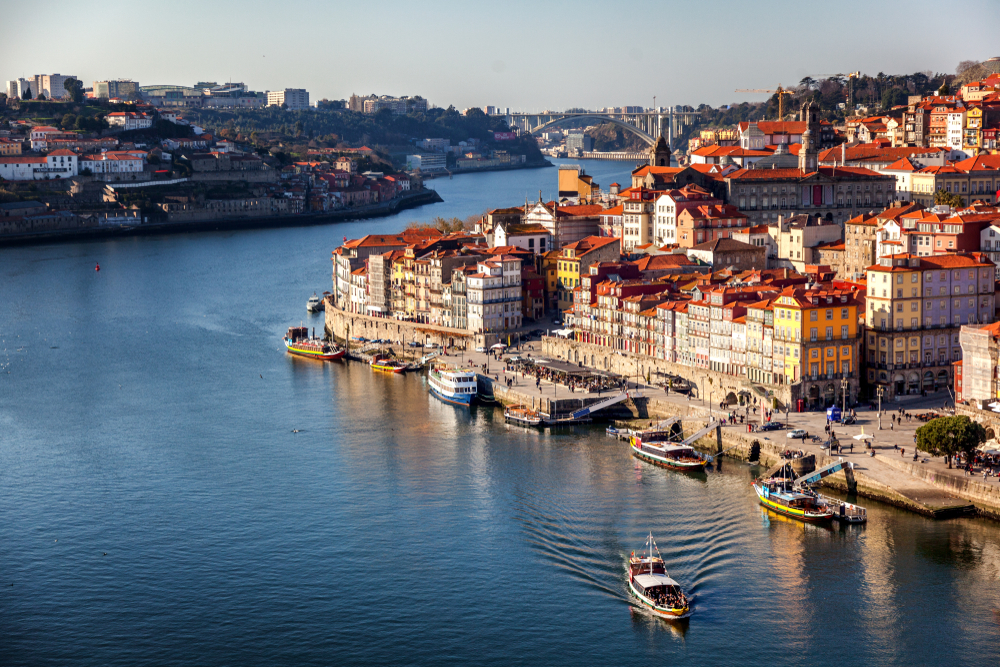
Porto is one of Portugal's most popular real estate investment locations
So, locations like Coimbra and suburban Porto attract consistent tenant demand from students, professionals and visiting staff, making them attractive for investors seeking dependable occupancy rather than speculative growth.
Commenting on these Portugal real estate trends Paul Stannard, chairman and founder of Portugal Pathways and the Portugal Investment Owners Club, said:
“It’s no longer about quick wins for the international investor, but about intelligent positioning, dependable yield over hype, regional diversification – ‘where are the new property hotspots?’ – the importance of lifestyle, and long-term housing demand, rather than the short-term tourist demand of the past.
“Smart investors are asking practical questions like ‘who will live here in five years’ and ‘what is the infrastructure like?’
“The market has moved from speculation to strategy, to benefitting those who understand the deeper dynamics.”
Portugal Pathways has supported hundreds of Golden Visa residency-by-investment applications and provides expert guidance through its professional supply chain network on luxury property, wealth management, and tax optimisation, including post-NHR tax regime planning, as well as private healthcare, IFICI tax incentive applications, money transfers and bespoke relocation solutions to enhance life and investments in Portugal.
Disclaimer: The information on the Portugal Pathways website and in email communications is for general informational purposes only and should not be construed as legal, tax, or financial advice. You should consult and check with a qualified professional advisor before relying on any information provided on this website or in email communications. As it relates to investments in Golden Visas or other wealth management solutions offered by regulated and professional advisors, it is important to note that past performance is no guarantee of future returns. Private equities can be highly illiquid and come with risk and should always be under professional independent advice.
Disclaimer:The information on the Portugal Pathways and Portugal Investment Owners Club (P Club for short) websites and in email communications is for general informational purposes only and should not be construed as legal, tax, or financial advice. You should consult and check with a qualified professional advisor before relying on any information provided on this website or in email communications. As it relates to investments in Golden Visas or other wealth management solutions offered by regulated and professional advisors, it is important to note that past performance is no guarantee of future returns. Private equities can be highly illiquid and come with risk and should always be under professional independent advice.









.jpg)

.jpg)

.jpg)
.jpg)
.jpg)
.jpg)
.jpg)
.jpg)
.jpg)
.jpg)
.jpg)
.jpg)
.jpg)
.jpg)
.jpg)
.jpg)


.jpeg)