Portugal’s tourism industry looks set to have had its strongest year on record, with revenues estimated to have reached almost €30 billion by the end of 2025.
Income generated by the sector - covering accommodation, restaurants, transport, retail and related services - is expected to have hit €29.4 billion.
This comfortably exceeds the previous high of €27.7 billion recorded in 2024 and underlines the sector’s growing weight in the national economy.
Carlos Abade, president of Turismo de Portugal, has described the performance as unprecedented. Speaking to Diário de Notícias, he said the record figure reflects benefits that extend across the entire economy.
According to Abade, the results are the outcome of a long-term and deliberate strategy rather than short-term gains.
International promotion, investment in infrastructure, diversification and closer cooperation between public and private stakeholders have all played a role.
“This is not accidental,” the tourism chief said, noting that joint efforts have helped Portugal become the 12th most competitive tourism destination globally, with ambitions to break into the top 10.
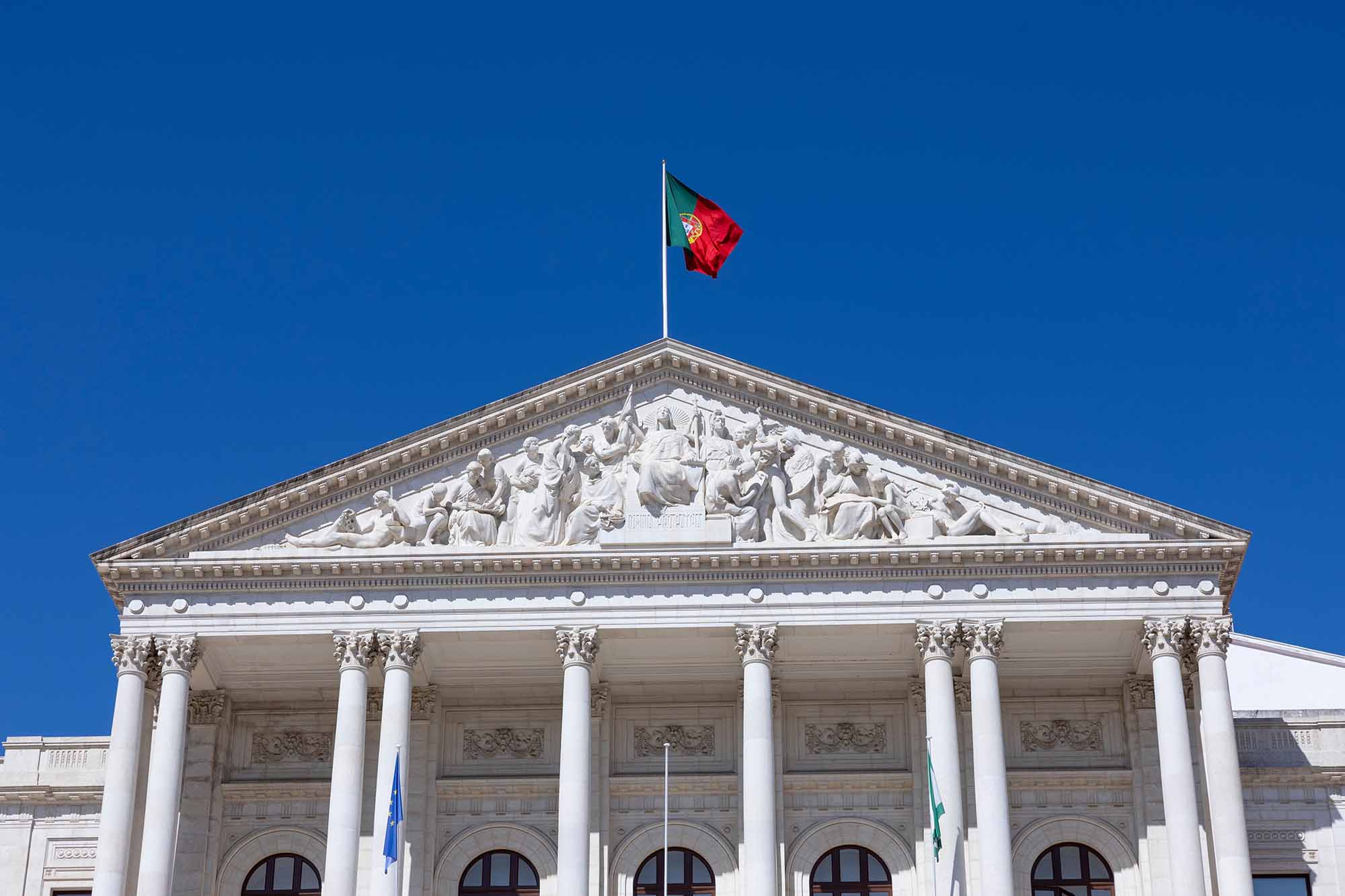
Portugal is one of the world's most popular tourist destinations
He said: “What we are seeing is the payoff from years of strategic planning and international positioning.
“Portugal is no longer competing purely on volume, but on quality, experience and long-term value.”
Recent statistics indicate that revenue growth is being driven more by higher spending than by a surge in tourist numbers.
Data from the National Statistics Institute (INE) show that, up to October, guest numbers in tourist accommodation increased by 3.1% to 28 million, while overnight stays rose by 2.2% to 73 million.
In contrast, total tourism revenue climbed by almost 8% over the same period, reaching €6.4 billion in the first ten months of the year.
“In simple terms, fewer tourists are coming, but those who do are spending more,” Abade said, stressing that this trend aligns with the national strategy of generating greater value with lower pressure on destinations.
Stannard believes this shift is particularly significant for investors and residents alike. “Higher-value tourism tends to be more sustainable,” he said. “It supports local businesses, reduces strain on infrastructure and enhances Portugal’s appeal as a place to live, work and invest.”
Golden Visa investors are supporting economic growth in Portugal
Attracting visitors with stronger purchasing power remains central to Portugal’s approach. The United States has consolidated its role as one of the country’s most important source markets, prompting plans to open a new Turismo de Portugal office in San Francisco.
Beyond the US, the strategy includes expanding Portugal’s presence in other long-haul markets such as Mexico, Argentina, Australia and several Asian countries.
Abade has confirmed intentions to strengthen activity in China, Japan and South Korea, while Australia is also being considered for a future overseas office.
Air connectivity is seen as critical to supporting this growth. Abade said the goal is to reinforce strategic routes, adding that discussions are ongoing with all airlines, including TAP.
From an international perspective, Stannard notes that improved connectivity has wider implications. “Direct routes from high-value markets are not just about tourism,” he said. “They also support inward investment, business mobility and Portugal’s global profile.”
Portugal Golden Visa holders gain freedom of movement across the 29 EU Schengen region countries
Prospective Golden Visa applicants can invest €500,000 in approved alternative investment funds in return for permanent residency and a pathway to dual EU citizenship and a second passport for themselves and their eligible family members.
Investors need only spend seven days per year in Portugal, making it an ideal ‘plan B’ for affluent families and individuals.
Looking ahead, the forthcoming Tourism Strategy 2035 will replace the current Tourism Strategy 2027. The new framework aims to balance continued growth with residents’ quality of life, while addressing issues such as connectivity, mobility, infrastructure and workforce development.
“We are building a strategy not just for tourism, but for the country,” Abade said. “Tourism must continue to be a pillar of prosperity and well-being for the Portuguese people.”
About Portugal Pathways
Portugal Pathways has supported hundreds of Golden Visa residency-by-investment applications and provides expert guidance through its professional supply chain network on estate planning, wealth management, Golden Visa and tax optimisation, including post-NHR / IFICI tax regime planning, as well as private healthcare, money transfers and bespoke relocation and luxury real estate solutions to enhance life and investment in Portugal
Disclaimer: The information on the Portugal Pathways and Portugal Investment Owners Club (P Club for short) websites and in email communications is for general informational purposes only and should not be construed as legal, tax, or financial advice. You should consult and check with a qualified professional advisor before relying on any information provided on this website or in email communications. As it relates to investments in Golden Visas or other wealth management solutions offered by regulated and professional advisors, it is important to note that past performance is no guarantee of future returns. Private equities can be highly illiquid and come with risk and should always be under professional independent advice. Golden Visa investments need to be held for 6 to 7 years to allow for permanent citizenship/passport in the EU.
Disclaimer:The information on the Portugal Pathways and Portugal Investment Owners Club (P Club for short) websites and in email communications is for general informational purposes only and should not be construed as legal, tax, or financial advice. You should consult and check with a qualified professional advisor before relying on any information provided on this website or in email communications. As it relates to investments in Golden Visas or other wealth management solutions offered by regulated and professional advisors, it is important to note that past performance is no guarantee of future returns. Private equities can be highly illiquid and come with risk and should always be under professional independent advice.








.jpg)

.jpg)

.jpg)
.jpg)
.jpg)
.jpg)
.jpg)
.jpg)
.jpg)
.jpg)
.jpg)
.jpg)
.jpg)
.jpg)
.jpg)
.jpg)



.jpeg)
.jpeg)
.jpeg)