


Relocating a high-net-worth family to Portugal in 2026 requires a sophisticated orchestration of legal strategy, tax optimisation, and lifestyle logistics to ensure seamless global mobility and long-term security.
The process begins with selecting a residency pathway that aligns with the family’s intended level of physical presence in Europe.
For those prioritising maximum flexibility, the Golden Visa remains the preeminent choice.
It allows families to secure a European residence permit through a €500,000 investment in qualifying Portuguese alternative investment funds while requiring only seven days of presence in the country per year.
Conversely, individuals (and their dependents) intending to make Portugal their primary home often opt for the D8 visa (often referred to as the Digital Nomad Visa) or D7 visa (often referred to as the passive income or retiree visa), which facilitate full-time residency but require a significant lifestyle commitment to Portugal.

The Portugal Golden Visa and the D visas all apply to non-EU/EEA/non-Swiss citizens.
Successfully navigating these residency paths hinges on meticulous legal planning, particularly concerning recent updates to family reunification.
All the D visas allow for dependents to join the applicant – but all come with additional financial commitments you will need to ensure you can meet.
The Golden Visa, however, can include dependents as part of the original €500,000 investment in approved alternative investment funds.
Key initial steps to secure a Portugal visa
Central to this legal foundation is the acquisition of a Portuguese tax number (NIF), which serves as the key to the nation’s administrative system.
For high-net-worth individuals, this step is typically managed through a fiscal representative, providing the necessary credentials to open domestic bank accounts. It also then allows for property leasing deals or real estate deeds.

IFICI – the tax regime also known as NHR 2.0
The fiscal landscape for many families has evolved into a more specialised framework known as NHR 2.0 or the Tax Incentive for Scientific Research and Innovation (IFICI).
Unlike the broad exemptions of the previous decade, this new regime targets highly qualified professionals and entrepreneurs who contribute to Portugal’s strategic economic sectors.
Applicants who qualify can benefit from a flat 20% tax rate on professional income and exemptions on various forms of foreign-sourced wealth for ten years, provided they establish tax residency and meet specific professional criteria.
Real estate and education
While many investors pursuing a Golden Visa do not intend to live full-time in Portugal – those that do will consider real estate and education options as key to their long-term success.
High-net-worth families gravitate toward established luxury enclaves such as Cascais, often referred to as the Portuguese Riviera, or the exclusive golf estates of the Algarve’s Golden Triangle.

The rise in luxury real estate means there are many options available to international buyers who want to enjoy the myriad lifestyle benefits Portugal offers.
These regions offer not only high-security gated communities and branded residences but also immediate proximity to the country’s elite international schools.
As do those opting for the metropolitan lifestyles in the likes of Lisbon or Porto.
International schools provide teaching in English and follow an international curriculum. It is worth identifying which schools you wish to apply for early in your visa application process in order to secure a place.
Ultimately, a move to Portugal is a multi-layered transition where real estate, school admissions, and tax registrations must move in parallel.
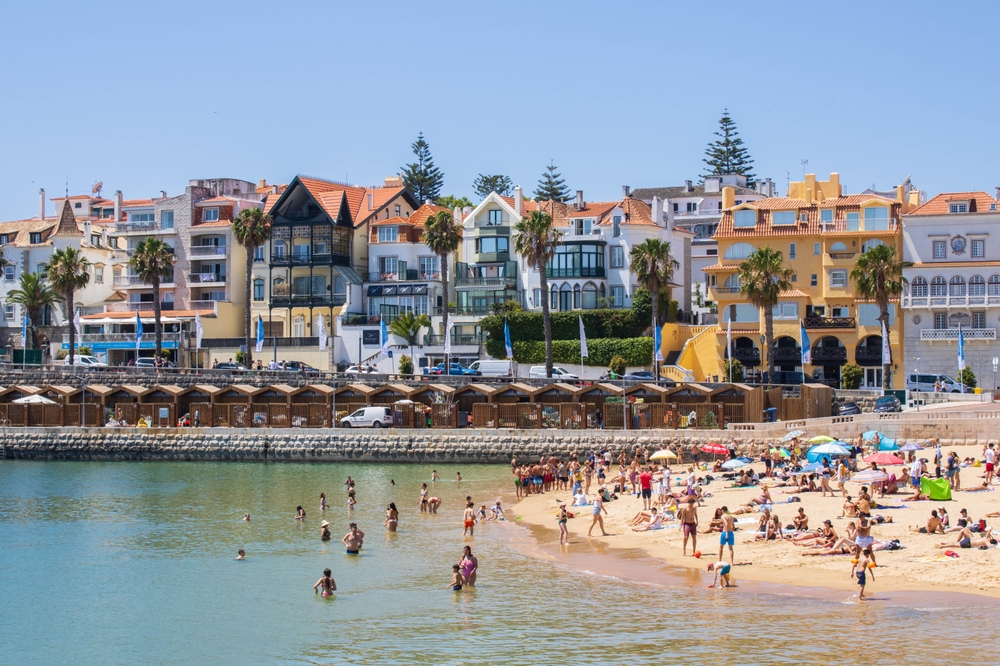
By integrating these elements into a cohesive strategy, families can leverage Portugal’s high safety standards, world-class healthcare, and strategic location to enhance their global mobility while building a stable, high-quality life in one of Europe’s most welcoming environments.
This journey concludes at the Portuguese Agency for Integration, Migration and Asylum (AIMA), where biometric appointments transform initial visas into the residency cards that serve as a family's gateway to the Schengen Area and a future path toward European citizenship.
Portugal Pathways specialises in guiding HNWIs through the process of securing visas, navigating the tax regimes and securing luxury real estate.
Arrange a free no-obligation introductory call to discuss your requirements.
About Portugal Pathways
Portugal Pathways has supported hundreds of Golden Visa residency-by-investment applications and provides expert guidance through its professional supply chain network on luxury property, wealth management, and tax optimisation, including post-NHR tax regime planning, as well as private healthcare, IFICI tax incentive applications, money transfers and bespoke relocation solutions to enhance life and investments in Portugal.
Disclaimer: The information on the Portugal Pathways website and in email communications is for general informational purposes only and should not be construed as legal, tax, or financial advice. You should consult and check with a qualified professional advisor before relying on any information provided on this website or in email communications. As it relates to investments in Golden Visas or other wealth management solutions offered by regulated and professional advisors, it is important to note that past performance is no guarantee of future returns. Private equities can be highly illiquid and come with risk and should always be under professional independent advice.


