


Portugal is one of Europe’s most desirable destinations for expats, retirees, digital nomads, and international families.
From the cobbled streets of Lisbon to the riverside charm of Porto and the sunny beaches of the Algarve, Portugal is a compelling mix of affordability, safety, and quality lifestyle.
Here’s our snapshot of what living in Portugal offers in terms of cost of living, healthcare, transportation, and overall quality of life.
Cost of living in Portugal
Portugal remains one of western Europe’s more affordable countries, though prices have risen in recent years, especially in popular urban and coastal areas.
Living there is slightly cheaper than neighbouring Spain and around a third cheaper than the UK, France, the USA and Canada, while residency in Switzerland will cost more than twice as much a year.

Luxury real estate in Portugal
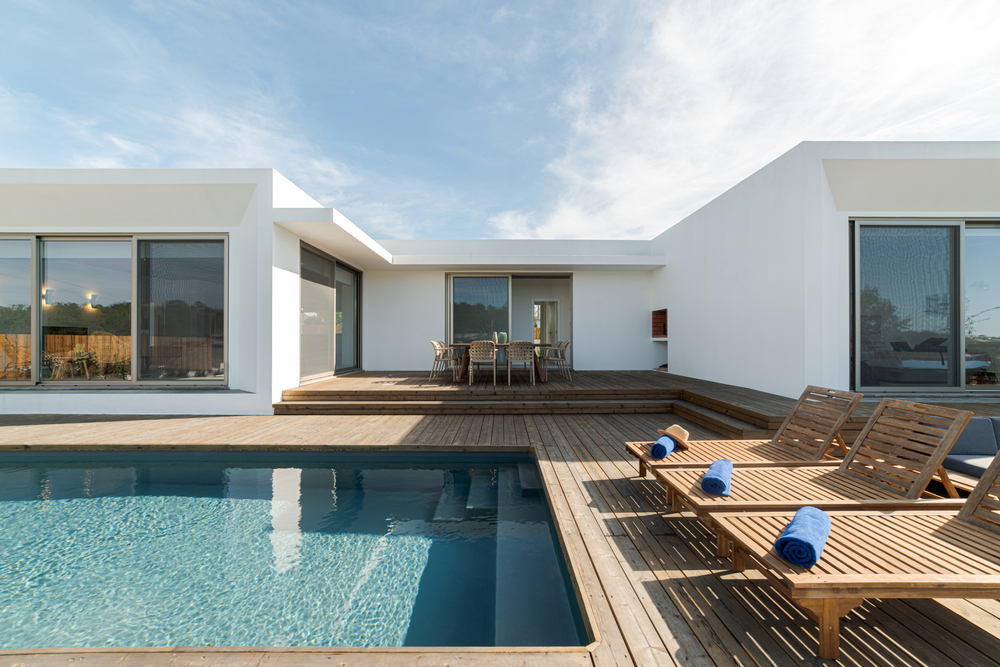
New Portugal residents will find real estateis the biggest expense though buying property is still competitive compared to many EU neighbours. Luxury real estate costs vary widely though depending on location and demand:
- Lisbon – typically the most expensive luxury property market in the country. Prime city-centre apartments and historic properties generally start from around €7,000 per square metre, with significantly higher prices in prestigious neighbourhoods such as Chiado, Príncipe Real, and Avenida da Liberdade.
- Porto – more accessible than Lisbon while still offering strong luxury appeal. High-end apartments in central and riverside districts typically begin at approximately €5,000 per square metre, with premium pricing for renovated historic buildings.
- Algarve and smaller cities – luxury property values depend heavily on proximity to the coast, golf resorts, and marinas. Prime coastal villas and resort residences command premium prices, while inland locations offer substantially lower entry points for buyers seeking space and privacy.
Groceries and dining out
Local produce, bread, wine, and seafood are affordable. A couple can typically spend €300-450 per month on groceries. Dining out is relatively inexpensive: a casual meal might cost €12-20 per person, while a three-course dinner at a mid-range restaurant averages €25-40.
Those opting for Michelin Star dining can expect to pay a premium.
Utilities and internet
Monthly utilities (electricity, water, gas) generally range from €100-180 depending on usage and season. High-speed internet costs around €30-40 per month.
Healthcare
Portugal offers a strong public healthcare system known as the Serviço Nacional de Saúde (SNS) consistently ranked well among European systems for accessibility and quality.
Emergency services are widely available and appointments often involve small payments. Urban areas tend to offer faster service and more specialists.

While the SNS is highly regarded, it is common for residents to use a mix of public and private services. The private sector is often used to avoid long waits for specialized care and operations. Private insurance plans cost €40-100 per month depending on age and coverage.
Portugal also has a strong pharmacy network, and many medications are subsidised.
Transportation and getting around Portugal
Portugal’s transportation system is efficient, affordable, and well-connected.
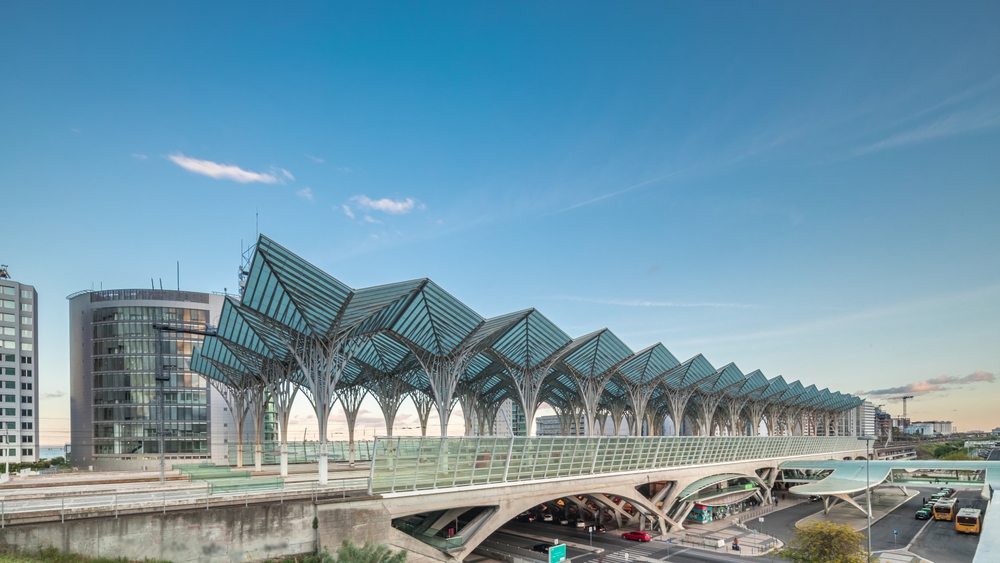
Major cities offer comprehensive metro, bus, and tram networks with special passes and deals always on offer. Lisbon’s metro system is clean and modern, while Porto also operates a reliable light rail network.
Intercity travel is convenient via trains like the Alfa Pendular, connecting Lisbon, Porto, and other major cities comfortably and quickly. Prices compare well with neighbouring countries: for instance, the 275 km (170 miles) service from Lisbon to Porto, takes 2hr 39m to 3hr and costs from €10-65, with the cheapest deals offered on advance bookings.
Portugal is also developing wider rail links to the rest of Europe.
Driving in Portugal
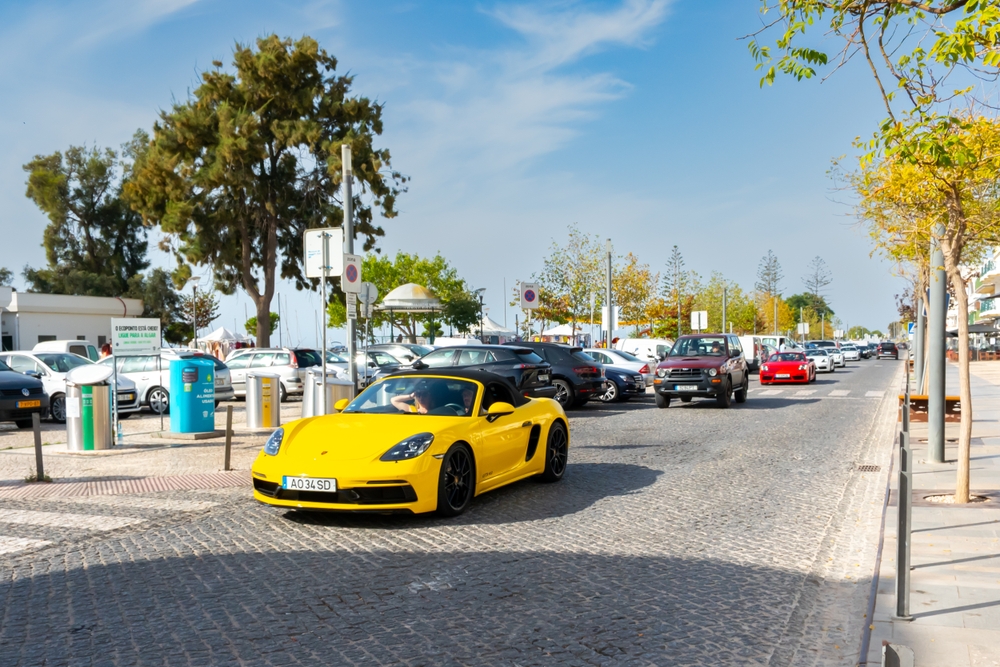
Portugal has a well-maintained road network, though toll roads are common. Fuel prices are higher than in North America but broadly in line with the rest of Europe.
Key requirements and procedures
- Minimum age: 18 years old for cars.
- EU/EEA citizens:
A valid EU/EEA driving licence can be used in Portugal until it expires. New residents must register their licence with the Instituto da Mobilidade e dos Transportes (IMT) within 60 days of establishing residency. - Non-EU/EEA citizens:
Once residency is established, drivers must begin the licence exchange process within 90 days.
In most cases where Portugal has a reciprocity agreement (including the UK, US, Canada, Australia, and other OECD/CPLP countries), the licence can be exchanged without a driving test, provided the process is completed within two years of residency.
Failure to exchange within this period may require taking Portuguese theoretical and practical driving tests.
Documents typically required for exchange
- Valid passport
- Proof of residency (e.g. AIMA residence card)
- Foreign driving licence
- IMT Modelo 13 form
- Portuguese tax number (NIF)
- Medical certificate issued by a Portuguese doctor.
Air travel to and from Portugal
Portugal’s location makes it a strategic gateway between Europe, Africa, and the Americas.
Major international flights primarily use Lisbon (LIS), Porto (OPO), and Faro (FAO) airports, focussing heavily on European hubs, Brazil, and the US:
- United Kingdom: London (LHR, LGW, STN, LTN), Manchester, Dublin
- France: Paris (CDG, ORY), Nantes
- Spain: Madrid, Barcelona, Valencia
- Germany: Frankfurt, Munich, Hannover
- Others in Europe: Milan, Brussels, Amsterdam, Eindhoven
- Brazil: São Paulo, Rio de Janeiro, Campinas, Brasília, Salvador, and Belo Horizonte
- Others in Americas: New York (JFK/EWR), Boston, Miami, Philadelphia, Toronto, and Caracas
- Africa: Luanda (Angola), Praia (Cape Verde), Maputo (Mozambique), Casablanca (Morocco)
- Middle East: Dubai, Abu Dhabi, Doha, Tel Aviv
Low-cost carriers like Ryanair, EasyJet, and Vueling are the primary operators for European routes, while TAP Air Portugal dominates flights to Brazil and North America.
Quality of life
Portugal ranks consistently as one of the safest countries in the world, placing seventh in the latest Global Peace Index, with low violent crime rates and a relaxed pace of life.
The nation came 10th out of 53 destinations in the Expat Insider survey, revealing that 85% of expats are happy with their life in Portugal, compared to 72% globally, with climate, leisure options, and safety being key factors.
Climate
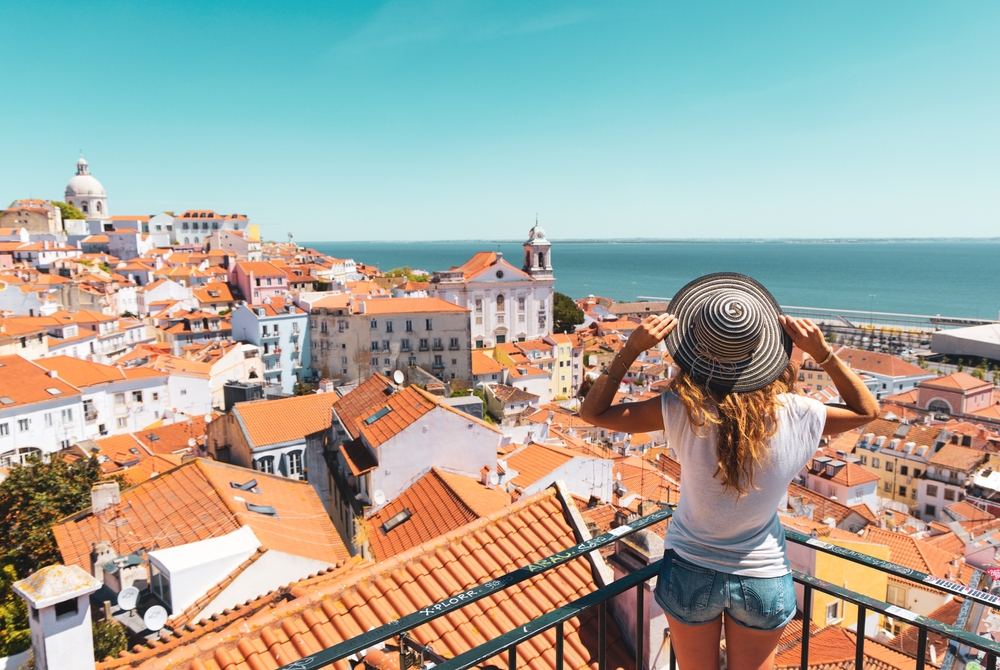
The country enjoys over 300 days of sunshine annually in many regions, particularly in the Algarve. Winters are mild compared to much of Europe.
Work-Life Balance
Portuguese culture emphasises family, community, and leisure. Cafés are central to social life, and long lunches are still common in many workplaces.
Language
Portuguese is the official language, but English is widely spoken in tourist areas and among younger generations, especially in Lisbon and Porto.
For English-speaking expats keen to integrate, the native language is considered one of the easier ones for them to learn. Many words are like English or other Romance languages (Spanish, French) and the grammar is considered logical.

Community and expat life
Portugal has thriving expat communities, particularly in Lisbon, Porto, and the Algarve. Digital nomads, retirees, and entrepreneurs often cite the welcoming atmosphere and strong sense of community as key reasons for staying.
Paul Stannard, chairman and founder of Portugal Pathways and the Portugal Investment Owners club, commented: “Living in Portugal offers a balanced mix of affordability, quality healthcare, reliable transportation, and exceptional lifestyle benefits. True, demand has driven up prices and costs in popular areas, but the country still provides strong value compared to many western European neighbours. And there are still outstanding areas to be ‘discovered’ by those planning to relocate there*.
“But for many expats, the real joy of Portugal life isn’t just the lower cost of living, but the slower pace, sunshine, and the sense of everyday enjoyment.”
See our ‘Portugal Real Estate Market Trends: What’s Growing, What’s Slowing, and Where Smart Investors Are Buying’ guide to find out more about the best locations to put down roots, while still enjoying a new life in Portugal.
About Portugal Pathways
Portugal Pathways has supported hundreds of Golden Visa residency-by-investment applications and provides expert guidance through its professional supply chain network on luxury property, wealth management, and tax optimisation, including post-NHR tax regime planning, as well as private healthcare, IFICI tax incentive applications, money transfers and bespoke relocation solutions to enhance life and investments in Portugal.
Disclaimer: The information on the Portugal Pathways website and in email communications is for general informational purposes only and should not be construed as legal, tax, or financial advice. You should consult and check with a qualified professional advisor before relying on any information provided on this website or in email communications. As it relates to investments in Golden Visas or other wealth management solutions offered by regulated and professional advisors, it is important to note that past performance is no guarantee of future returns. Private equities can be highly illiquid and come with risk and should always be under professional independent advice.


