


Hit hard by the global 2008 financial crisis, Portugal has bounced back to become one of Europe’s most attractive medium to long-term investment cases.
This was further solidified by The Economist naming Portugal as its 'Economy of the Year'.
Global investors evaluating opportunities in Southern Europe, will note the key factors behind this:
From crisis recovery to structural resilience
Following the sovereign debt crisis of the early 2010s, Portugal introduced major fiscal consolidation and structural reforms, which stabilised public finances, diversified exports, and strengthened its financial system.
As a member of the EU and the Eurozone, Portugal also benefits from monetary stability, access to a large single market, and structural funding mechanisms supporting the country’s modernisation, digital transformation, and export diversification beyond its traditional lower-value sectors.
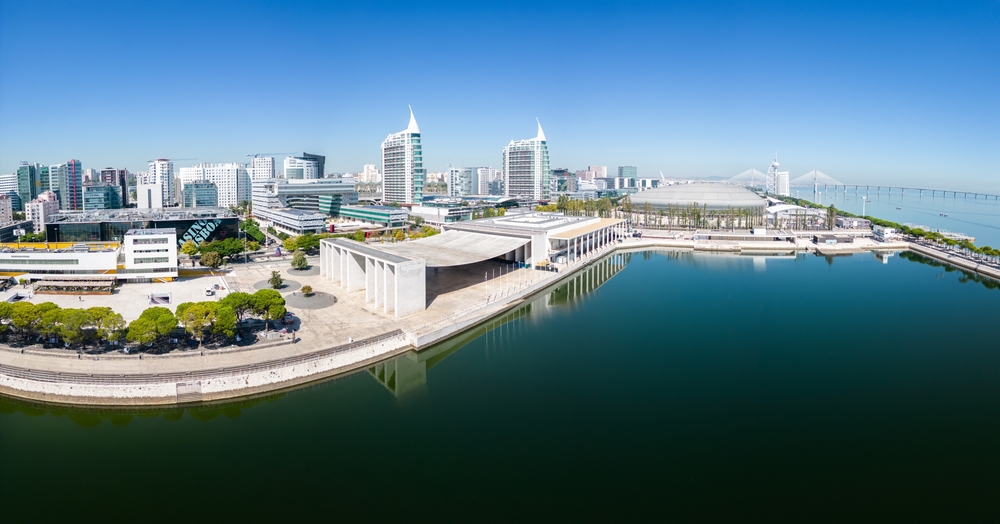
Strategic positioning within Europe and the Atlantic
Portugal occupies a unique geo-economic position, serving as:
- A gateway to the European market (450+ million consumers)
- A natural logistics bridge to Brazil, Portuguese-speaking Africa, and the Americas
- A stable Atlantic hub amid shifting global supply chains
Ports such as Sines – south of Lisbon – are increasingly relevant in energy and logistics corridors, particularly as Europe diversifies energy imports and strengthens transatlantic trade ties.
For multinational investors, these factors offer strategic value beyond Portugal’s domestic market (population 10.4 million).
Key long-term growth drivers
1. Technology & Innovation
Portugal is seen as an innovation-friendly and well-connected part of the global tech sphere and a major European startup hub, with Lisbon and Porto attracting venture capital, digital nomads, and tech talent.
Lisbon is key after taking over as host in 2016 for the prestigious Web Summit conference, which focuses on internet technology and emerging technologies, plus the marketing and investment to support it.

Key strengths:
- Competitive labour costs relative to Western Europe
- Strong STEM (Science, Technology, Engineering, and Mathematics) graduate output
- Growing venture capital ecosystem.
2. Renewable energy leadership
Portugal is a European leader in renewable energy, with high shares of wind, hydro, and solar electricity generation.
Its long-term strategy includes:
- Green hydrogen production
- Grid modernisation
- Energy export potential
For ESG-focused investors, Portugal’s renewable commitment aligns with EU climate targets and long-term decarbonisation trends.
3. Tourism: mature but evolving
Tourism remains a pillar of the Portuguese economy. Lisbon, Porto, and the Algarve region continue to attract global visitors and real estate investors.
However, the sector is evolving from volume-based growth towards:
- Higher-value tourism
- Attracting digital nomads
- Lifestyle-driven relocation.
Real estate, hospitality, and short-term rental markets remain structurally important, though increasingly subject to regulatory refinement.

4. EU recovery funds and infrastructure modernisation
Portugal is a major beneficiary of the EU’s post-pandemic recovery framework, with this capital directed toward:
- Digital transformation
- Public transport and rail upgrades
- Energy transition projects
- Education and workforce reskilling.
-
This multi-year funding has reduced short-term fiscal pressures while supporting productivity investments, a positive signal for long-term institutional investors.
5. Demographics: The structural challenge
Like many Southern European nations, Portugal faced demographic headwinds:
- Aging population
- Low birth rates
- Skilled labour emigration
But this is being counterbalanced by:
- International remote workers
- EU migrants
- High-net-worth relocations.
Long-term growth will depend on sustaining immigration flows and enhancing productivity through automation and digitalisation.
6. Real estate and foreign direct investment (FDI)
Foreign investment has been pivotal to Portugal’s post-crisis recovery, notably in luxury real estate, private equity, renewable energy infrastructure, and tech startups.

Some incentive programmes have been adjusted or phased out, but Portugal continues to maintain:
- Investor-friendly regulatory frameworks
- Transparent legal system under EU law
- Relatively low corporate tax compared to core Western Europe nations.
Risk considerations
No investment landscape is without risk and considerations for Portugal include:
- External demand dependence (especially from EU partners)
- Tourism is sensitive to global shocks
- Political shifts affecting housing or taxation policy
- Global interest rates impacting real estate and debt financing.
However, Portugal’s EU integration significantly reduces sovereign and currency risk compared to emerging markets.
Long-term outlook: Stability and growth
Portugal is unlikely to deliver explosive, but high-volatility growth. Instead, its investor appeal comes from:
- Institutional stability
- EU structural backing
- Energy transition leadership and strong ESG alignment
- Lifestyle-driven capital inflows
- Growing innovation ecosystem
“For global investors seeking exposure to a politically stable European market with improving fundamentals, Portugal is a compelling medium to long-term option,” says Paul Stannard, chairman and founder of Portugal Pathways.
“Institutional investors, family offices, infrastructure funds, and strategic corporates will note that in an era defined by geopolitical fragmentation and supply-chain reconfiguration, Portugal is a stable, reform-driven European economy with increasing global relevance.”
Portugal's Golden Visa
According to a recent report by the World Digital Foundation, the Golden Visa has received over €9 billion in direct investment and resulted in €54 billion in wider economic impact to Portugal.
Portugal's Golden Visa can be acquired through a €500,000 investment in one or more eligible alternative investment funds. These typically focus on Portugal's key growth sectors, including tourism and hospitality, renewable energy, media and international events, technology, and healthcare.
To learn more about Portugal's Golden Visa and its benefits, contact Portugal Pathways today.
About Portugal Pathways
Portugal Pathways has supported hundreds of Golden Visa residency-by-investment applications and provides expert guidance through its professional supply chain network on luxury property, wealth management, and tax optimisation, including post-NHR tax regime planning, as well as private healthcare, IFICI tax incentive applications, money transfers and bespoke relocation solutions to enhance life and investments in Portugal.
Disclaimer: The information on the Portugal Pathways website and in email communications is for general informational purposes only and should not be construed as legal, tax, or financial advice. You should consult and check with a qualified professional advisor before relying on any information provided on this website or in email communications. As it relates to investments in Golden Visas or other wealth management solutions offered by regulated and professional advisors, it is important to note that past performance is no guarantee of future returns. Private equities can be highly illiquid and come with risk and should always be under professional independent advice.


