Travelling to Portugal? Prepare for the EU Entry/Exit System
written by
Joana Rosso
A significant added layer of security is set to be imposed on all non-EU citizens travelling to Portugal over the coming months.
In line with the rest of the European Union, Portugal is starting a gradual six-month roll-out of what is known as the EU’s Entry/Exit System (EES).
Starting on October 12, 2025, with a phased introduction, it will be fully up and running on April 10, 2026.
What does it mean for you? Well, once in place, you’ll need to provide biometric information on your arrival – and departure - in any of the Schengen area nations which will be kept in a centralised EU database.
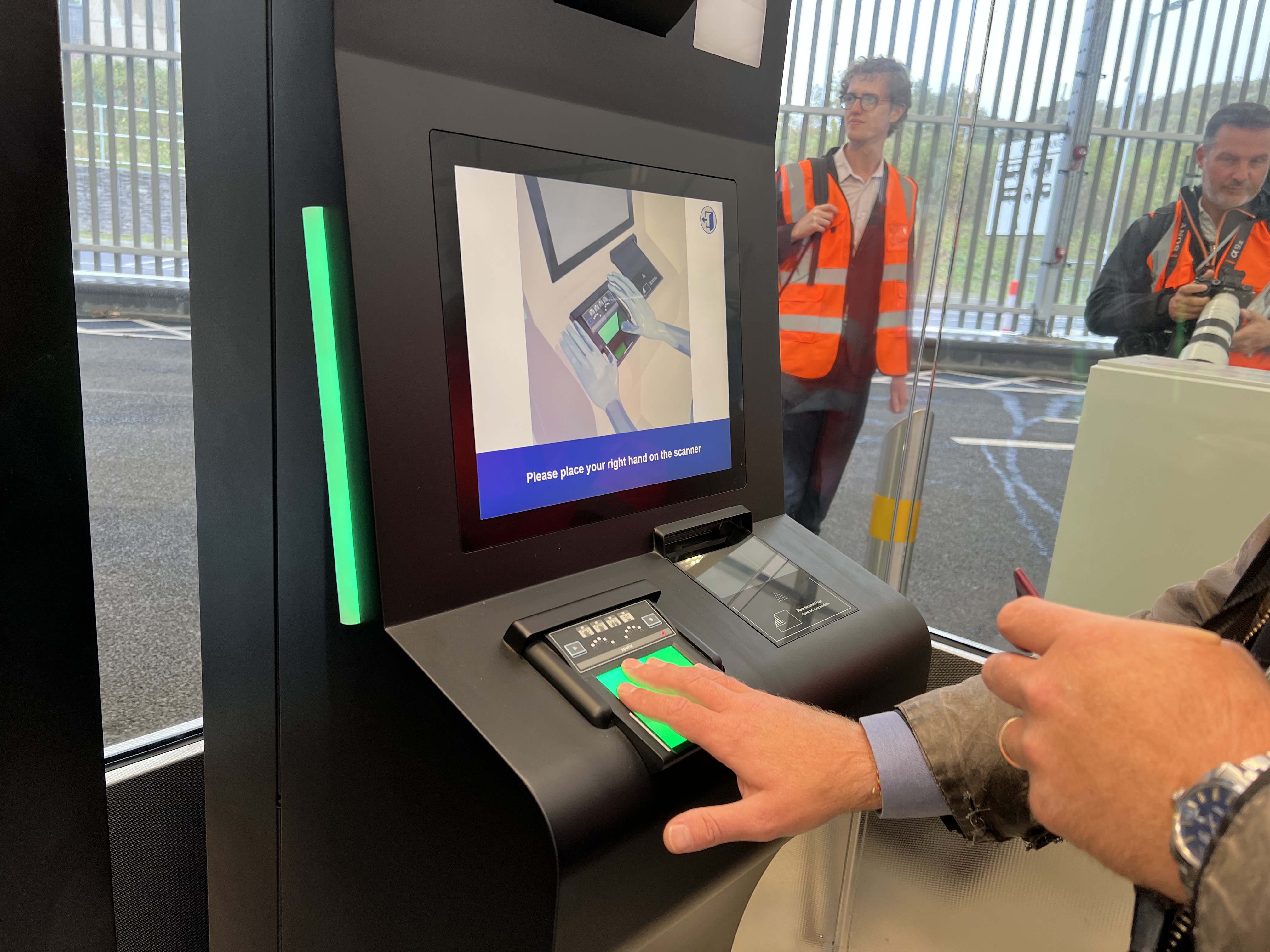
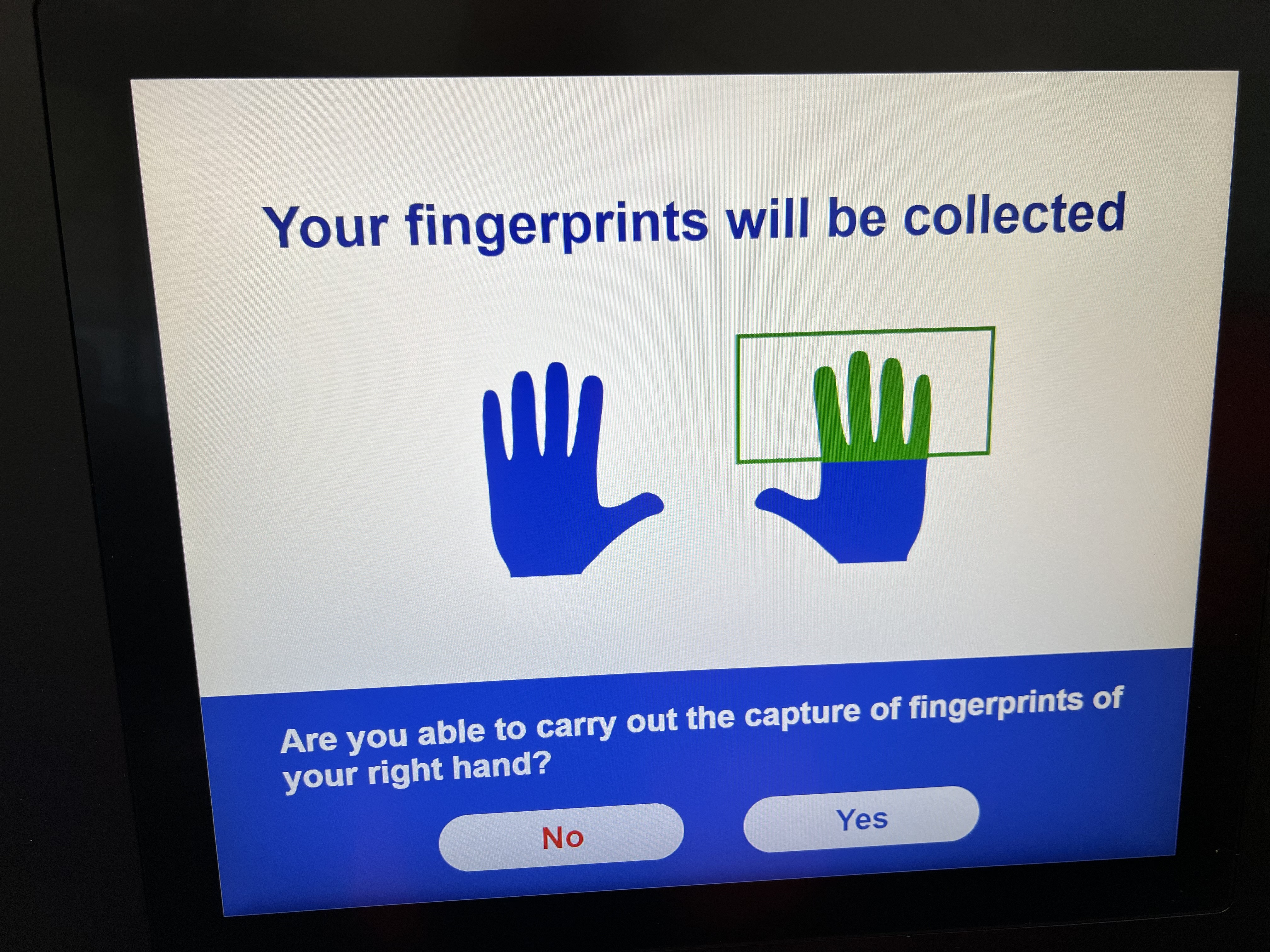
The process will involve scanning your passport, your fingerprints and having a photograph taken.
“If you refuse to provide your biometric data,” says the EU, “you will be denied entry into the territory of the European countries using the EES.”
A closer look at how the Entry/Exit System will work
Explains the Portugal Embassy in the UK: “The system applies to all non-EU citizens entering the territory for short stays up to 90 days within any 180-day period, regardless of whether a visa is required.
“The EES aims to strengthen security within the European Union, improve the efficiency of border controls, and ensure a stricter and technological management of the entry and exit of third-country nationals in the Schengen Area.”
Since Brexit, that will also include the estimated 2.2 million British people who visit Portugal each year.
However, those with residence permits – such as Portugal’s Golden Visa – will not be subject to the additional layer of administration; providing another compelling reason to take advantage of the programme.
The EES was originally scheduled to start in May 2022 but has been repeatedly delayed due to the logistical issues involved.
So what is the Entry/Exit System (EES)?
In short, it is a way for the EU to ensure it is aware of everyone on its soil at any given moment. It is designed to strengthen and modernise border security by compiling a database of all those coming and going from its member nations.
It will ensure visa limits are not exceeded, crack down on identity fraud by the use of biometric data, and prevent organised crime and terrorism.
The new Entry/Exit System will collect your biometric data
Do the checks take place at the point of departure or arrival?
When you land on EU soil you will need to register your details at one of a number of dedicated terminals set up at ports or airports.
On your first visit following its introduction, you will need to scan your passport – as you do with e-Passport control gates at some airports – and then submit your fingerprints and have your picture taken.
Your data will be stored for up to three years, meaning you will only need to have your photograph taken on exit. Each time you use a terminal, a further three-year period starts.
The process should be relatively simple but, especially during its introduction, expect there to be some delays as people get used to the new technology.
If I have a Golden Visa do I still need to submit my data every time I enter or exit the EU?
No, if you have a resident’s permit or long-term visa for any of the Schengen area nations you will be able to avoid the additional checks.
Golden Visa holders will not be subject to the new EES
If I am a non-EU citizen, does it mean I no longer need to go through passport control?
No. You will still need to line up for a border official to check your passport, but the process should be sped up as a consequence of EES.
The data you submit will be sent through to border posts. It will, eventually, remove the need for passports to be stamped too.
Will young children also be subject to the biometric checks?
If they are under 12, only a photograph will be required - not fingerprints. Above that age, and they will need to submit the same data as adults.
You will still need a passport to enter the Schengen zone as a non-EU citizen
Who is the data I submit shared with?
Travel companies and operators will not have access to your biometric data. Transport carriers will, however, be able to verify whether short-stay visa holders have already used the number of entries authorised by their visa.
Border, visa and immigration authorities of those nations using the EES will have access in order to verify your identity and whether you should be allowed entry.
Law enforcement authorities of the countries using the EES and Europol will also have access for enforcement purposes.
Can I not submit my data in advance of travelling?
An app has been developed and is expected to be rolled out to various nations over time.
However, while smartphones will be able to submit photographs, you will still need to ensure your fingerprints are submitted at the first point of entry.
Keep an eye out for announcements as to when the app is expanded and how it will alter your need to report to an ESS terminal or arrival or departure.
About Portugal Pathways
Portugal Pathways has supported hundreds of Golden Visa residency-by-investment applications and provides expert guidance through its professional supply chain network on luxury property, wealth management, and tax optimisation, including post-NHR tax regime planning, as well as private healthcare, IFICI tax incentive applications, money transfers and bespoke relocation solutions to enhance life and investments in Portugal.
Disclaimer: The information on the Portugal Pathways website and in email communications is for general informational purposes only and should not be construed as legal, tax, or financial advice. You should consult and check with a qualified professional advisor before relying on any information provided on this website or in email communications. As it relates to investments in Golden Visas or other wealth management solutions offered by regulated and professional advisors, it is important to note that past performance is no guarantee of future returns. Private equities can be highly illiquid and come with risk and should always be under professional independent advice.
Disclaimer:The information on the Portugal Pathways and Portugal Investment Owners Club (PIO Club) websites, and in our email communications, is general information only. It is not legal, tax, immigration or financial advice, it is not a personal recommendation, and it is not an offer or invitation to buy, sell or subscribe to any investment. You should take advice from an appropriately qualified and regulated professional, based on your own circumstances, before acting on anything published here.
Portugal Pathways and PIO Club are information businesses. We are not authorised to provide regulated investment advice or to manage investments, and we do not do so. Where regulated services are required, we work alongside separately regulated third-party firms; those firms are responsible for the advice they give and the products they provide, and you contract with them directly. Our commercial relationships and any fees we receive are disclosed to you. We describe our model as integrated, transparent and conflict-managed.
Residency and citizenship are governed by Portuguese law and administered by AIMA and the competent authorities. Eligibility criteria, qualifying categories, processing times and statutory periods are set by law and change from time to time. No investment guarantees the grant of a residence permit, permanent residency or citizenship, and we make no representation as to how long any application will take. Naturalisation is a separate legal process with its own statutory requirements.Investments carry risk. Capital is at risk and you may get back less than you invest. Past performance is not a guide to future returns. Private market and fund investments can be highly illiquid, may not be readily realisable, and may not be suitable for all investors.









.avif)

.jpg)

.jpg)

.avif)
.avif)
.jpg)
.jpg)
.jpg)
.jpg)
.jpg)
.jpg)
.avif)
.avif)
.avif)
.jpg)



.jpeg)