Portugal's fastest-growing sectors for investors in 2026
written by
Ines Catina
Would-be investors in Portugal can combine solid growth prospects with competitive advantages in what is now seen as one of Europe’s most agile economies.
The industries standing out as engines of expansion and opportunity are:
Technology and Digital Services – a strategic growth engine
Portugal’s internet and communications technology, software development, and digital services sectors have grown from a niche startup environment to a robust economic contributor, driven by both domestic innovation and foreign investment.
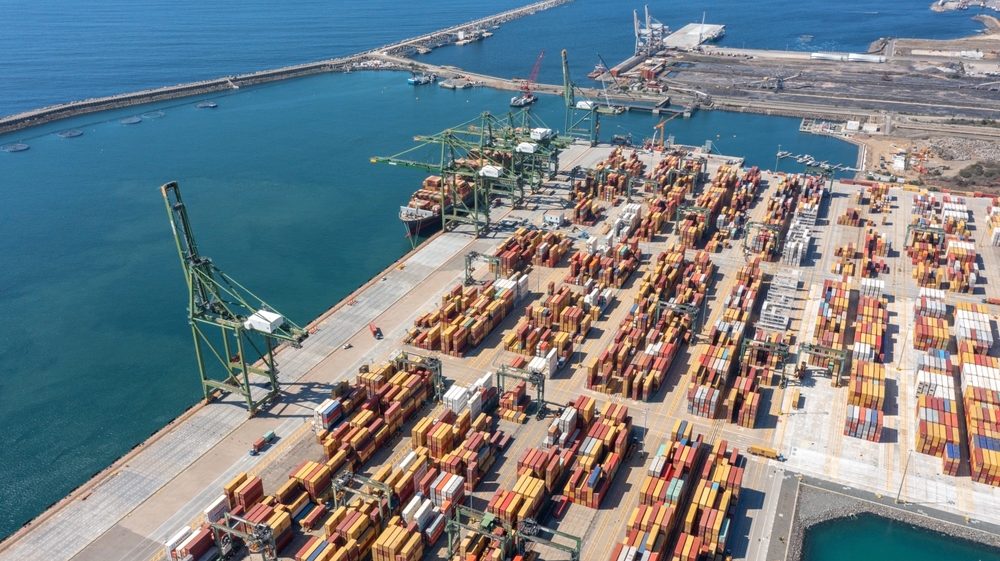
Lisbon and Porto have matured into European tech hubs, attracting global players and fostering a vibrant startup culture, while major infrastructure investments – such as Microsoft’s $10 billion AI data hub in Sines – highlight the future importance of digital infrastructure in Portugal..
This trend is reinforced by expanding cloud services footprints (e.g. AWS European Sovereign Cloud) and strong exports of tech solutions.
Renewables and Energy Transition – sustainable growth
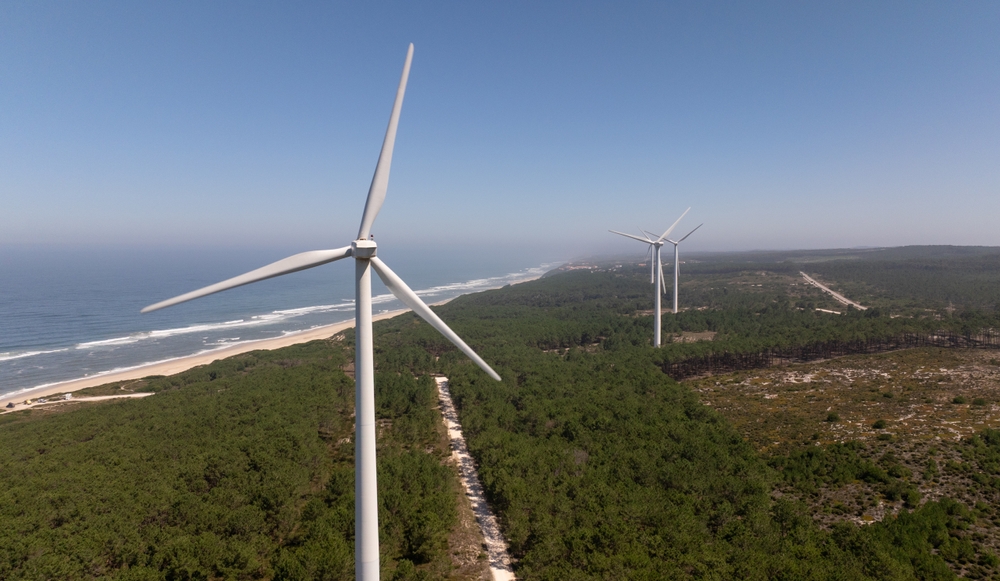
Portugal is seen as a leader in renewable energy adoption and clean infrastructure, generating a double boost to the nation’s upward economic trajectory, as well as supporting action on climate change.
Portugal is one of Europe's leaders in the clean energy transition
The sector contributes to both domestic and international investment in the growth of wind and solar power, plus battery storage, which has a knock-on benefit to Portugal’s manufacturing, construction, and technological innovation, creating opportunities for investors targeting sustainable infrastructure, energy technology, and climate-aligned assets.
Tourism and Services – resilience and recovery
Despite the aforementioned ‘new kids on the block’ tourism remains a cornerstone of Portugal’s economic resilience. After pandemic disruptions, the sector has rebounded strongly with visitor numbers, overnight stays, and hospitality employment climbing again. High value breaks such as spa and health experiences are also evolving the sector.
Growth in tourism not only bolsters accommodation and transport services but also supports retail, leisure, and regional development across the country.
The broader services sector continues to benefit from rising domestic demand and structural diversification, especially in high-value professional and creative services.
Advanced Manufacturing and Automotive Exports
While traditional manufacturing is still part of Portugal’s economy, advanced manufacturing and exports are gaining traction. Vehicle production, for example, recorded 2.7% growth in 2025, bucking the sector’s trend in Europe.
Portugal's vehicle production grew 2.7% in 2025
Meanwhile, modernisation in technical textiles, renewable energy equipment, and industrial automation highlight a shift toward higher-value production and export-oriented sectors.
Real Estate and Infrastructure Development
Real estate markets in Portugal – from urban commercial properties to coastal residential investments – remain attractive for investors seeking stable returns and diversification.
Increased construction activity enabled by public-private investment partnerships, property and infrastructure sectors continue to benefit from growth and modernisation.
Public infrastructure development, particularly under EU Recovery and Resilience funding, is also catalysing investment in transport, digital networks, and energy systems, creating additional growth channels for investors focusing on long-term assets.
Paul Stannard, chairman and founder of Portugal Pathways offers this overview:
“Portugal’s economic resilience is underpinned by prudent fiscal management and structural reforms that support investment and employment. With GDP growth projections around 2-2.2 % for 2026 and continued EU recovery fund deployment, the nation presents a balanced growth profile attractive to diversified capital.
Portugal's real estate market grew by 17.6% in 2025
“However, the most compelling and long-term returns are likely from sectors offering strong digital, sustainable, and export-oriented foundations.”
Portugal's 2026 economic outlook
The EU Commission has forecast that Portugal’s GDP will grow 2.1-2.2% in 2026 and multiple sources project or estimate the following expansion sector by sector:
Services 2.5-3.0%
Travel & Tourism 4%
Information & Communication Tech 5%
Renewable Energy/Clean Tech 5-7%
Manufacturing (advanced) 2-3%
Construction/Infrastructure 3-4%
Exports (goods and services) 2.6%
Private Consumption 2.1-2.8%
One of the most popular investment routes in Portugal is the Golden Visa residency-by-investment programme.
Portugal Pathways has supported hundreds of Golden Visa residency-by-investment applications and provides expert guidance through its professional supply chain network on estate planning, wealth management, Golden Visa and tax optimisation, including post-NHR / IFICI tax regime planning, as well as private healthcare, money transfers and bespoke relocation and luxury real estate solutions to enhance life and investment in Portugal
Disclaimer: The information on the Portugal Pathways and Portugal Investment Owners Club (P Club for short) websites and in email communications is for general informational purposes only and should not be construed as legal, tax, or financial advice. You should consult and check with a qualified professional advisor before relying on any information provided on this website or in email communications. As it relates to investments in Golden Visas or other wealth management solutions offered by regulated and professional advisors, it is important to note that past performance is no guarantee of future returns. Private equities can be highly illiquid and come with risk and should always be under professional independent advice. Golden Visa investments need to be held for 6 to 7 years to allow for permanent citizenship/passport in the EU.
Disclaimer:The information on the Portugal Pathways and Portugal Investment Owners Club (PIO Club) websites, and in our email communications, is general information only. It is not legal, tax, immigration or financial advice, it is not a personal recommendation, and it is not an offer or invitation to buy, sell or subscribe to any investment. You should take advice from an appropriately qualified and regulated professional, based on your own circumstances, before acting on anything published here.
Portugal Pathways and PIO Club are information businesses. We are not authorised to provide regulated investment advice or to manage investments, and we do not do so. Where regulated services are required, we work alongside separately regulated third-party firms; those firms are responsible for the advice they give and the products they provide, and you contract with them directly. Our commercial relationships and any fees we receive are disclosed to you. We describe our model as integrated, transparent and conflict-managed.
Residency and citizenship are governed by Portuguese law and administered by AIMA and the competent authorities. Eligibility criteria, qualifying categories, processing times and statutory periods are set by law and change from time to time. No investment guarantees the grant of a residence permit, permanent residency or citizenship, and we make no representation as to how long any application will take. Naturalisation is a separate legal process with its own statutory requirements.Investments carry risk. Capital is at risk and you may get back less than you invest. Past performance is not a guide to future returns. Private market and fund investments can be highly illiquid, may not be readily realisable, and may not be suitable for all investors.









.avif)

.jpg)

.jpg)

.avif)
.avif)
.jpg)
.jpg)
.jpg)
.jpg)
.jpg)
.jpg)
.avif)
.avif)
.avif)
.jpg)


.jpeg)