


Education is a key question for the growing number of international families seeking to relocate to Portugal.
The attraction of the country’s safe cities, mild climate, and welcoming culture, would not be enough if Portugal could not offer the schooling needed for those incomers’ children and young people.
Fortunately, Portugal now has a growing network of high-quality international schools offering British, American, and International Baccalaureate (IB) programmes.
British Curriculum Schools
These typically follow the National Curriculum for England, progressing through IGCSEs, A-Levels, and/or the International Baccalaureate Diploma (IB), ideal for families relocating from the UK and seeking continuity or planning university entry in Britain or other Commonwealth countries.
Notable examples include:
• St Julian's School – one of the largest and oldest British schools in the country, offering IGCSEs and the IB.
• Oporto British School – established in 1894, combines tradition with modern facilities.
• International School of the Algarve – offers a British-style curriculum in southern Portugal.

They major on:
• Structured, exam-focused curriculum
• Strong university placement record in the UK
American Curriculum Schools
These follow a US-style curriculum leading to a High School Diploma, often combined with Advanced Placement (AP) courses and will suit families planning higher education in the US or preferring a less exam-centric system.
Key institutions include:
• Carlucci American International School of Lisbon – a well-established school offering a US curriculum alongside the IB Diploma option.
• American International School of Porto – a smaller school known for its close-knit community.
Key Features:
• Continuous assessment model
• Broad subject flexibility
• AP courses for advanced study
• Strong preparation for US universities

International Baccalaureate (IB) Schools
The International Baccalaureate is a globally recognised programme emphasising critical thinking, intercultural understanding, and independent research. This sector will appeal to globally mobile families seeking international university flexibility.
Many schools in Portugal offer the IB Primary Years Programme (PYP), Middle Years Programme (MYP), and Diploma Programme (DP).
Examples include:
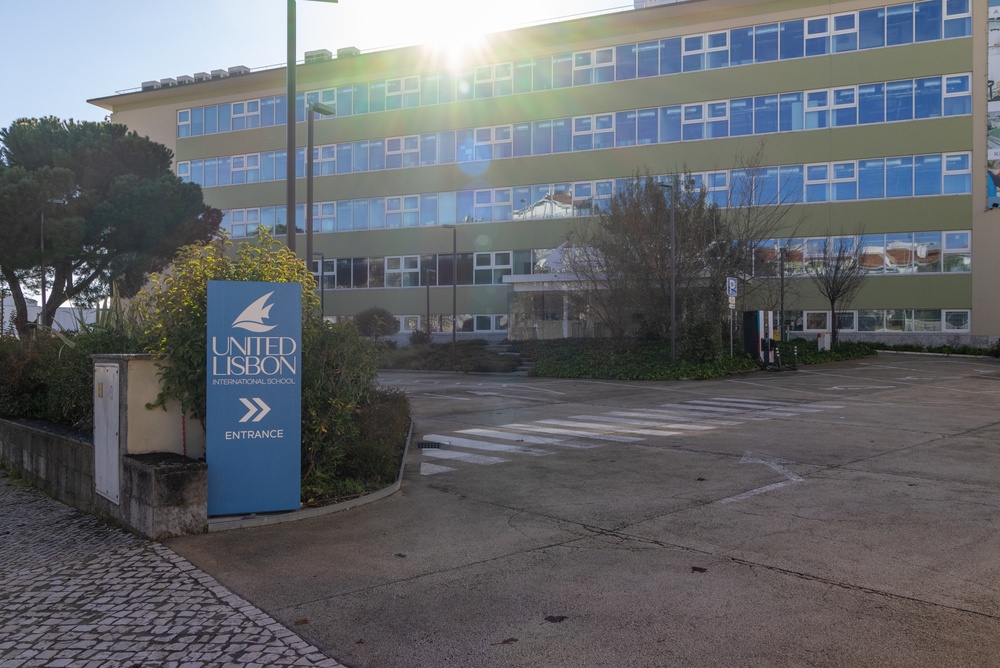
• United Lisbon International School – a modern campus offering the full IB.
• International School of Lisbon – offers IB programmes with a diverse student body.
• Nobel Algarve British International School – combines British and IB pathways.
Key Features:
• Inquiry-based learning
• Global recognition
• Holistic assessment model
• Emphasis on languages and global citizenship
Locations
Most Portugal’s international schools are concentrated in:
• Lisbon and surrounding areas (Cascais, Sintra, and Carcavelos)
• Porto
• The Algarve
These regions offer established expat communities and strong international and domestic transport links.
Fees and admissions
Annual tuition ranges between €7,000 and €25,000 depending on the school and grade level. Many schools have waiting lists, particularly in Lisbon, so early application is recommended.
Admission generally includes:
• Application form
• School reports
• Interview or assessment
• English proficiency (if required)
Choosing the Right Programme
When deciding between British, American, or IB pathways, parents should consider:
• Future university plans
• Your child’s learning style
• Mobility between countries
• Assessment preference (exam-based vs coursework-based)
Experts say there is no ‘best” system, except the optimum for your family’s educational goals.
How do Portugal’s International Schools Stack Up?
There isn’t a single global ranking for international schools in Europe by performance, but using independent sources such as the International Schools Database, those in Portugal consistently show strong IB outcomes, high university placement rates in the UK and US plus other global destinations, and with favourable pass rates above global averages.
Some schools, notably in the Lisbon area, feature among the Top 20 international schools in Portugal by multiple ranking guides, with IB scores above global averages.

What if you want to ‘go local’?
As expat communities grow in Portugal, many incoming families may choose to integrate their children via the public education system (compulsory from ages 6-18).
Language support for non-Portuguese speakers is sometimes provided but usually depends on a minimum number of qualifying students. Expat children will also be in larger classes than if their parents choose private education.
Commenting on the education options for expat families arriving in Portugal, Paul Stannard, Chairman and Founder of Portugal Pathways and the Portugal Investment Owners Club, said:
“Portugal’s international school landscape has matured rapidly in the past decade and whether you prefer the structured rigour of the British system, US-style flexibility, or the global perspective of the IB, families relocating to Portugal now have strong, internationally recognised options. But careful planning and early application is recommended.”
About Portugal Pathways
Portugal Pathways has supported hundreds of Golden Visa residency-by-investment applications and provides expert guidance through its professional supply chain network on luxury property, wealth management, and tax optimisation, including post-NHR tax regime planning, as well as private healthcare, IFICI tax incentive applications, money transfers and bespoke relocation solutions to enhance life and investments in Portugal.
Disclaimer: The information on the Portugal Pathways website and in email communications is for general informational purposes only and should not be construed as legal, tax, or financial advice. You should consult and check with a qualified professional advisor before relying on any information provided on this website or in email communications. As it relates to investments in Golden Visas or other wealth management solutions offered by regulated and professional advisors, it is important to note that past performance is no guarantee of future returns. Private equities can be highly illiquid and come with risk and should always be under professional independent advice.


