How Portugal’s ocean miles are creating a ‘Blue Economy’
written by
Steve Loader
For centuries the Atlantic was Portugal’s route to its trading empire. Today, it is a different type of economic highway and engine for growth.
Stretching nearly 1,800 kilometres along Europe’s western edge and extending far into the Atlantic through the archipelagos of the Azores and Madeira, Portugal controls the third largest maritime area in the European Union.
Officially known as an Exclusive Economic Zone, it gives Portugal special rights over the exploration and use of marine resources within its vast 1,727,408 square kilometre-expanse.
That geographic reach underpins an emerging economic strategy, to create a modern ‘blue economy’ built on aquaculture, seaweed cultivation, marine biotechnology and ecosystem restoration.
It already has clout: global strategy consultants at Ken Research Valuation valued the Portugal Ocean Economy and Blue Tech Market at USD 7.5 billion in October 2025.
“The ocean is part of our past and future,” said Portugal’s then Minister of Economy and Maritime Affairs António Costa Silva at the March 2023 launch of Growth Blue I – funded with €28 million from Portugal itself and the EU’s European Investment Fund (EIF).
Another government and EU funding initiative, Portugal Blue aims to mobilise a further €75 million of private, public and European capital to foster the Portuguese blue economy through early-stage, venture, and growth capital to over 30 start-ups, SMEs and medium capitalisation companies.
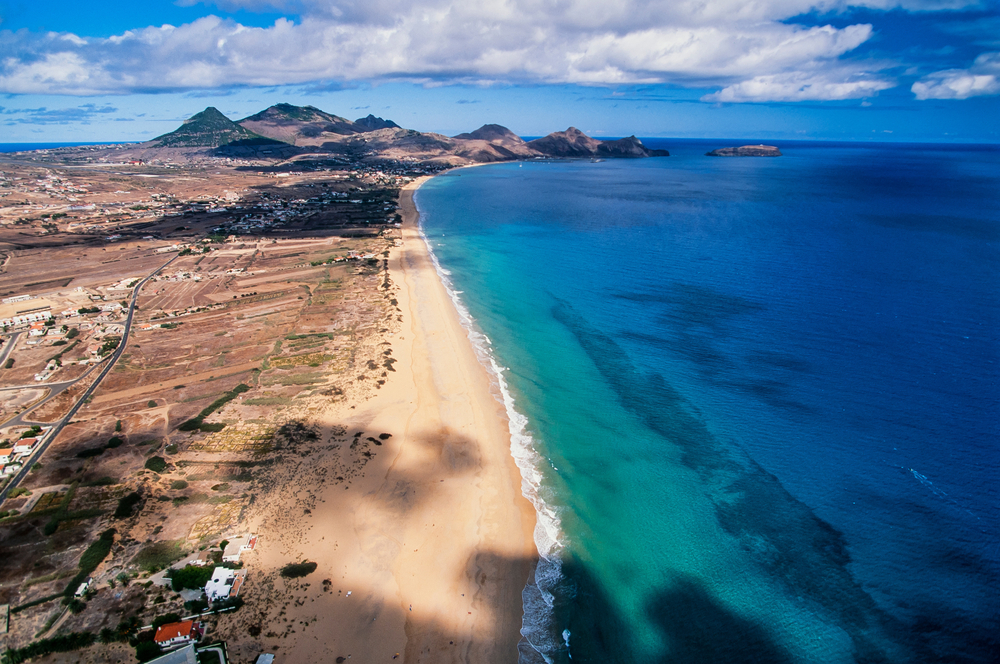
Portugal's coastal areas have long been crucial to the country's economy
The target sectors for these funds are:
• sustainable seafood
• marine biotechnology
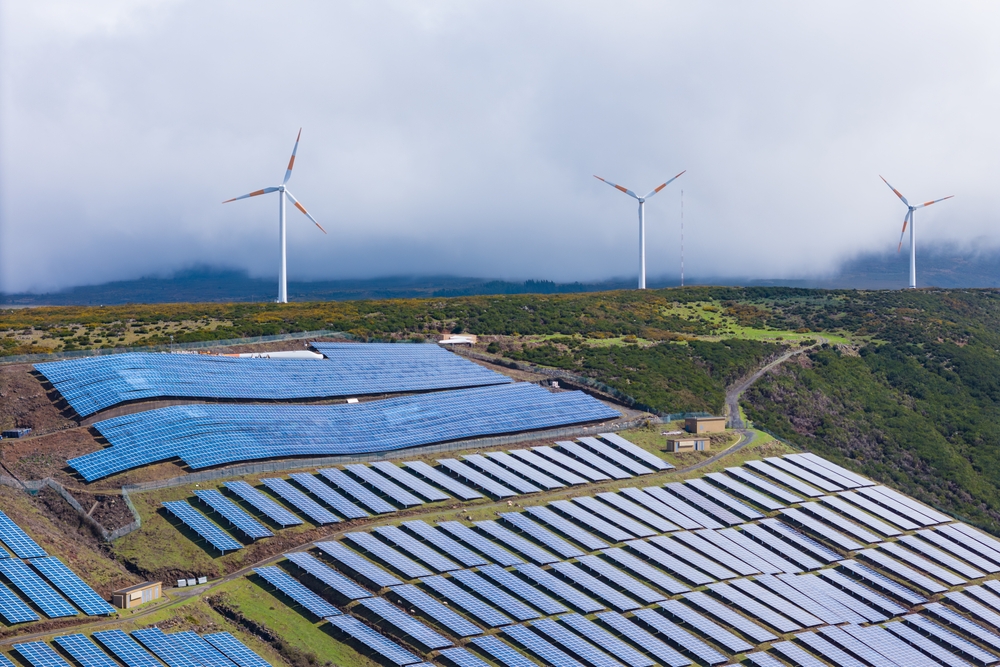
• offshore energy
• ocean restoration
Turning the Atlantic into a food system
Portugal is already one of Europe’s biggest seafood consumers per head of population yet still imports much of what it eats, so its government aims to both reduce that dependency and create export industries by investing hundreds of millions of euros.
The key focus is offshore aquaculture and seaweed cultivation along Portugal’s Atlantic coast and around its islands.
The Azores and Madeira offer ideal conditions: deep, clean waters, strong nutrient flows and large marine areas suitable for farming.
“Portugal’s positioning today is inseparable from the affirmation of the blue economy,” said Paulo Águas, Rector of the University of the Algarve. “It embodies the sustainable enhancement of the ocean as a driver of economic growth and innovation.”
Seaweed, especially kelp, is a cornerstone here as one of the world’s fastest-growing food and biomaterials sectors, supplying plant-based foods, animal feed, pharmaceuticals, cosmetics and biodegradable packaging.
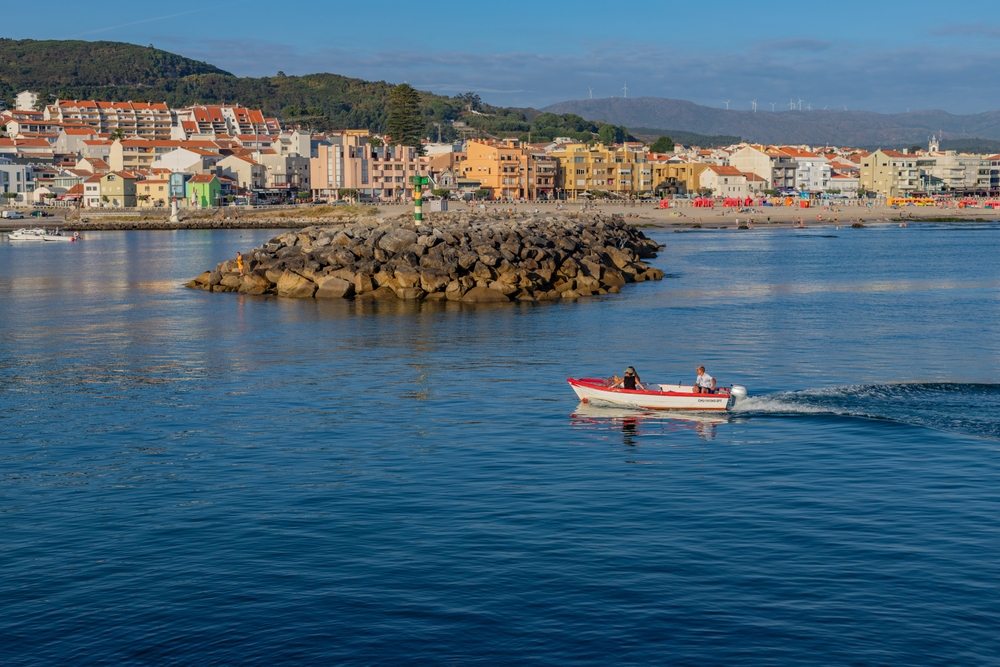
Startups and established organisations are using sustainable methods to utilise Portugal's coastal areas
Restoring underwater forests—and monetising them
But seaweed is not just about food, as marine ‘forests’ created by vast underwater ecosystems formed by kelp and other algae are now recognised as critical climate infrastructure.
They absorb carbon dioxide, provide habitat for marine life and improve coastal resilience.
And Portugal is becoming a testbed for restoring these ecosystems at scale, with one of the most visible examples being SeaForester, a Cascais-based company developing techniques to grow kelp seeds onto stones in seawater tanks, later scattering the stones at sea to quickly establish and expand kelp forests on a grand scale.
The company recently raised €1.6 million from organisations including WWF and Schmidt Marine Technology Partners and is planning further capital raises as it expands internationally.
Its work is founded on evidence that restored kelp forests can function as ‘carbon banks’ to capture and store carbon while generating biodiversity and fisheries benefits.
If robust verification systems can be established, these ecosystems could generate tradable carbon or biodiversity credits.
Islands as ocean innovation laboratories
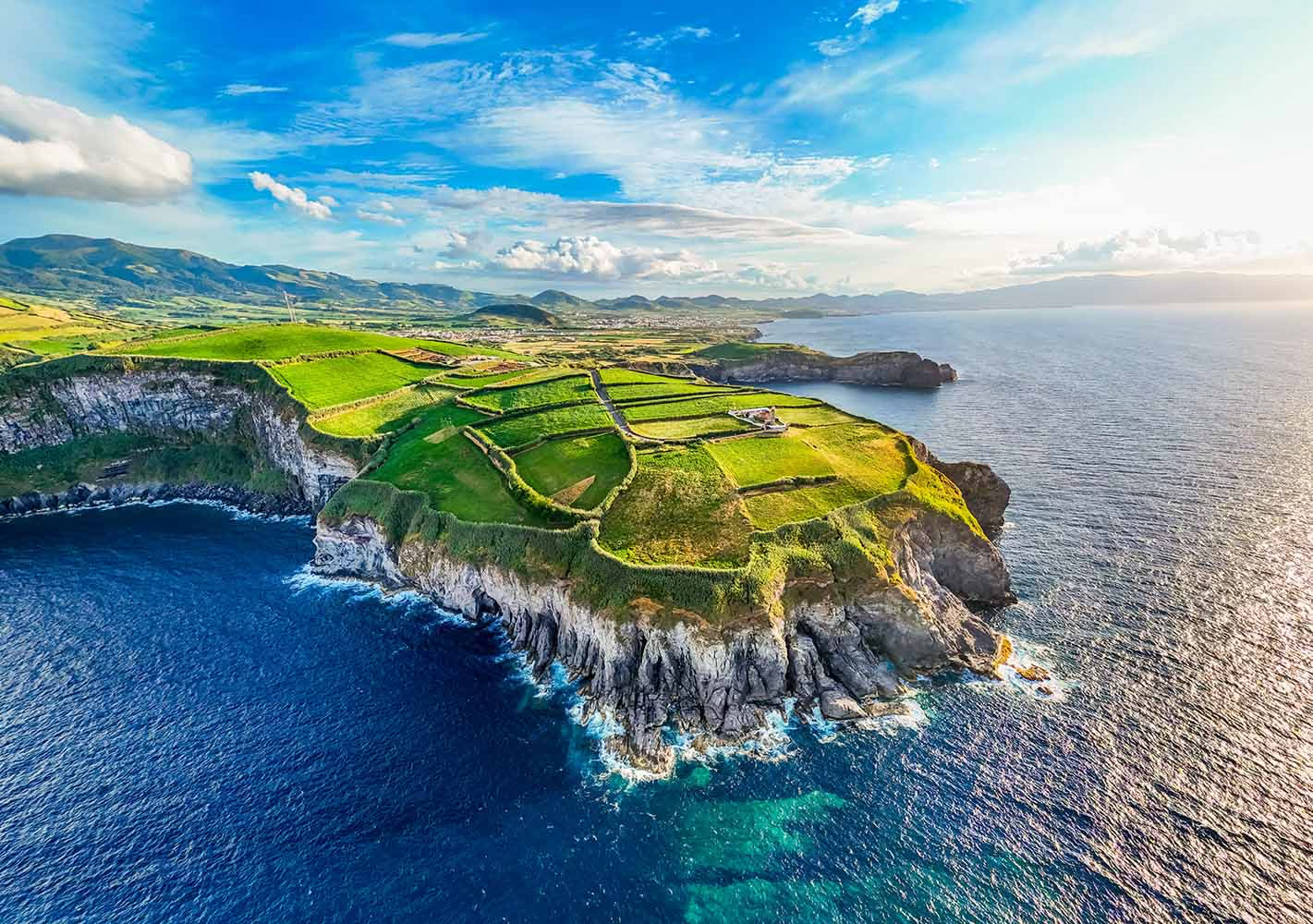
Portugal’s Blue Economy strategists also see a key role for the nation’s Atlantic islands. The Azores, for instance, are around 1,500 kilometres from the mainland, surrounded by deep ocean waters ideal as laboratories for testing offshore aquaculture, ocean robotics and marine restoration.
Azores President José Manuel Bolieiro says the islands give Portugal “an Atlantic projection that can make the country relevant again through the economy of the sea.”
Ethical fishing practices are in place across Portugal
The Future for Fisheries
Fishing is a long-established industry for Portugal, but like the country’s mature tourism sector, it is undergoing rejuvenation. Key initiatives include:
• Digital and Green Transition: integrating AI, blockchain, and data analytics to monitor fish health.
• Decarbonisation: subsidising engine replacement in older fishing vessels and investing in offshore wind and wave energy to power marine operations.
• Circular Economy: developing zero-waste ports and repurposing industrial byproducts, such as using microalgae waste for healthcare solutions or crab shells for new materials.
• Resource Management: enhancing public ocean awareness and involving local fishing communities, particularly women, in seagrass restoration and mapping.
Notable Projects include:
Coralis – a pioneering large-scale offshore fish farm 15km off the Algarve coast using semi-submersible platforms and AI to farm sea bass and sea bream.
Aquadiversify – a collaborative project in the Algarve introducing ‘multi-trophic’ aqua-farming methods where different species work together in a balanced ecosystem.
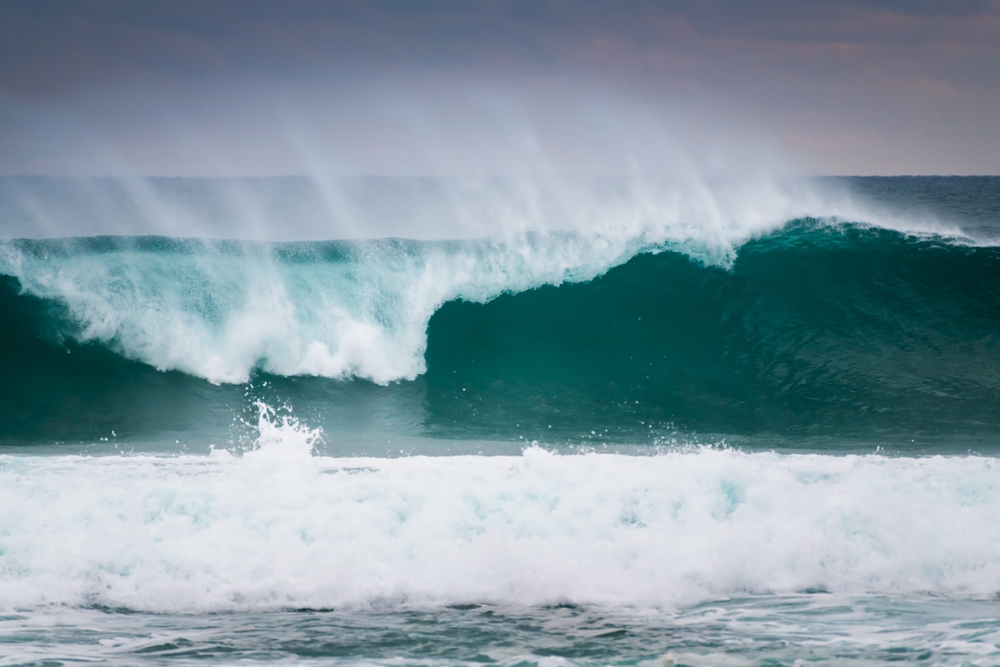
International investment into coastal preservation and innovation is supporting Portugal's economy
The investment case for the Blue Economy
For investors, the appeal lies in the scale and timing. Ocean industries, from sustainable seafood to marine carbon removal, are still relatively young, but their potential markets are huge.
Global demand for protein continues to rise, while climate targets are driving investment in nature-based solutions and carbon removal technologies. Portugal’s Atlantic geography offers a rare combination: vast ocean territory within a stable European regulatory framework.
The Portuguese ambition is to create an ecosystem where startups, universities and investors collaborate to rapidly scale technologies ranging from seaweed cultivation to offshore robotics.
This was acknowledged by Virginijus Sinkevičius, the European Commissioner for the Environment, Oceans and Fisheries (2019-24), who said: “Portugal has a very strong blue economy sector that keeps growing fast.”
Portugal Pathways has supported hundreds of Golden Visa residency-by-investment applications and provides expert guidance through its professional supply chain network on estate planning, wealth management, Golden Visa and tax optimisation, including post-NHR / IFICI tax regime planning, as well as private healthcare, money transfers and bespoke relocation and luxury real estate solutions to enhance life and investment in Portugal
Disclaimer: The information on the Portugal Pathways and Portugal Investment Owners Club (P Club for short) websites and in email communications is for general informational purposes only and should not be construed as legal, tax, or financial advice. You should consult and check with a qualified professional advisor before relying on any information provided on this website or in email communications. As it relates to investments in Golden Visas or other wealth management solutions offered by regulated and professional advisors, it is important to note that past performance is no guarantee of future returns. Private equities can be highly illiquid and come with risk and should always be under professional independent advice. Golden Visa investments need to be held for 6 to 7 years to allow for permanent citizenship/passport in the EU.
Disclaimer:The information on the Portugal Pathways and Portugal Investment Owners Club (PIO Club) websites, and in our email communications, is general information only. It is not legal, tax, immigration or financial advice, it is not a personal recommendation, and it is not an offer or invitation to buy, sell or subscribe to any investment. You should take advice from an appropriately qualified and regulated professional, based on your own circumstances, before acting on anything published here.
Portugal Pathways and PIO Club are information businesses. We are not authorised to provide regulated investment advice or to manage investments, and we do not do so. Where regulated services are required, we work alongside separately regulated third-party firms; those firms are responsible for the advice they give and the products they provide, and you contract with them directly. Our commercial relationships and any fees we receive are disclosed to you. We describe our model as integrated, transparent and conflict-managed.
Residency and citizenship are governed by Portuguese law and administered by AIMA and the competent authorities. Eligibility criteria, qualifying categories, processing times and statutory periods are set by law and change from time to time. No investment guarantees the grant of a residence permit, permanent residency or citizenship, and we make no representation as to how long any application will take. Naturalisation is a separate legal process with its own statutory requirements.Investments carry risk. Capital is at risk and you may get back less than you invest. Past performance is not a guide to future returns. Private market and fund investments can be highly illiquid, may not be readily realisable, and may not be suitable for all investors.






.avif)

.jpg)

.jpg)

.avif)
.avif)
.jpg)
.jpg)
.jpg)
.jpg)
.jpg)
.jpg)
.avif)
.avif)
.avif)
.jpg)


.jpeg)