insight

Insight
Expert knowledge across residency, property, wealth and lifestyle, all in one place
News & Articles

News & Articles
Stay ahead with the latest new shaping residency, property and tax in Portugal
Insight Videos

Insight Videos
Watch lifestyle and location films, past event recordings, expert insight and client stories
Explore Locations

Explore Locations
Find the location that fits your lifestyle, from coastal calm to city energy
Guides & Whitepapers

Guides & Whitepapers
Go deeper with comprehensive guides and whitepapers on residency, wealth and tax planning, and property
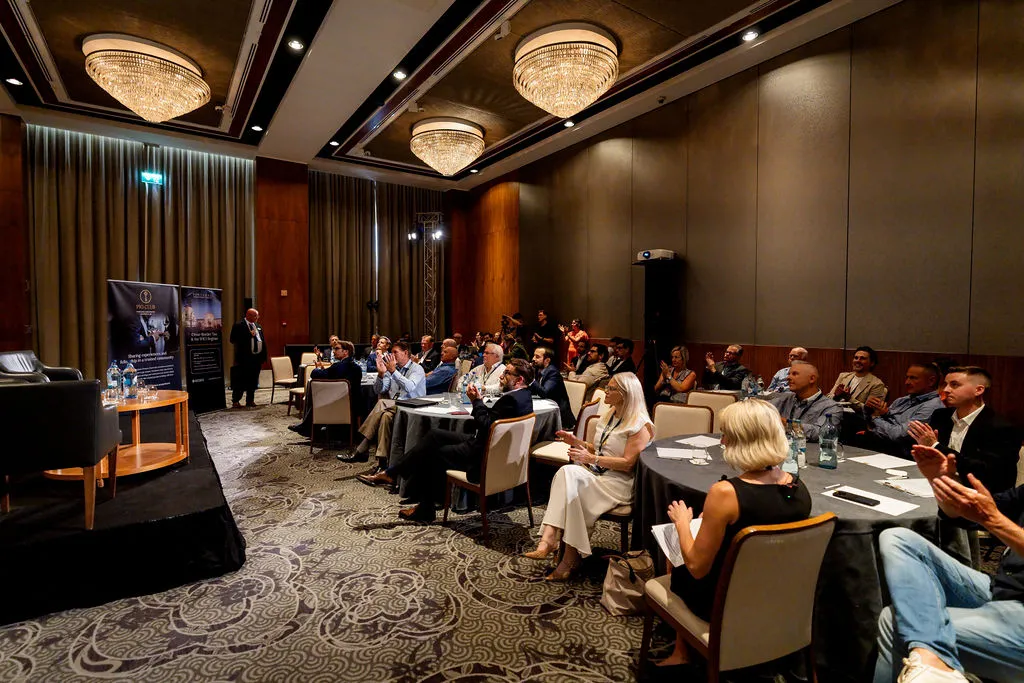
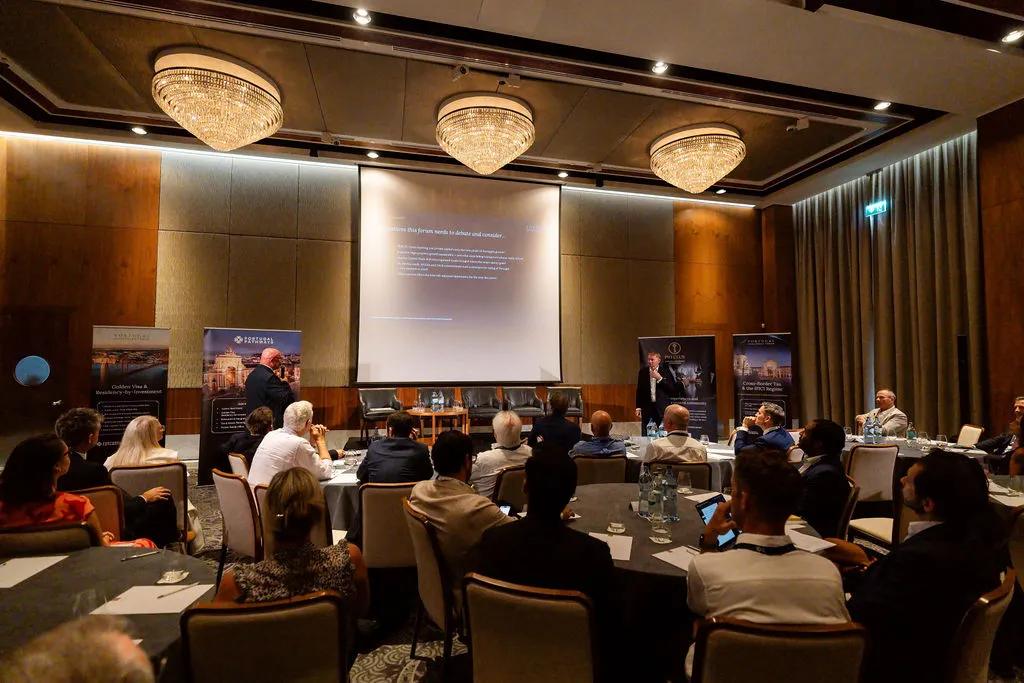
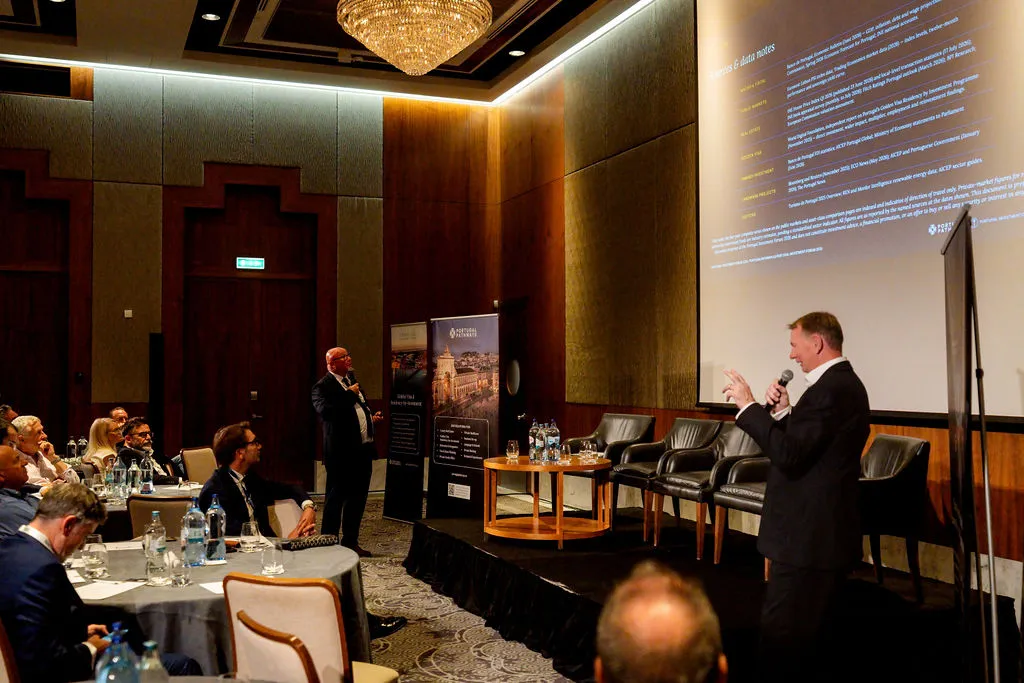
Events & Webinars

Events & Webinars
Join live sessions with our advisers and specialists to hear the latest expert guidance
FAQs / Ask an Expert

FAQs / Ask an Expert
Get clear answers to your questions, straight from our expert team
Case Studies

Case Studies
See how we have helped clients like you relocate, invest and protect their wealth
solutions

Solutions
End-to-end support across visas, property, wealth management, tax and concierge
Golden Visa

1134602318
Golden Visa
Europe’s Leading Golden Visa Residency by Investment Programme
D7 Visa

D7 Visa
Secure your residency in Portugal
D8 Digital Nomad Visa

1135818928
D8 Digital Nomad Visa
Experience the freedom of the digital nomad lifestyle
D2 Entrepeneur Visa

1132569453
D2 Entrepeneur Visa
D2 Visa in Portugal – Qualifying for an Entrepreneur Visa
View all

View all
Residency options aligned to your goals and objectives
Luxury New Homes

1170759853
Luxury New Homes
Portugal's most exclusive luxury new homes, off-plan and off-market
Mortgage Solutions

1135492330
Mortgage Solutions
Compare the entire market and find the best mortgage offer
Buy-side Solutions

1135829726
Buy-side Solutions
Access Portugal's Luxury New Homes
View all

1203745208
View all
Access off-plan and off-market luxury new homes in Portugal with complete buy-side support
Tax & Estate Planning

1135810494
Tax & Estate Planning
Cross-Border Tax Planning for Portugal
Investment Strategies

1135805765
Investment Strategies
Invest in Portugal with Confidence
Plan for End of NHR

1134629238
Plan for End of NHR
Plan Early Before the End of Your NHR Tax Status
IFICI (NHR 2.0) Tax Regime

1134645426
IFICI (NHR 2.0) Tax Regime
Explore Portugal’s IFICI Tax Regime
View all

View all
Cross-border wealth management and tax, aligned with life and investment in Portugal
Private Healthcare Insurance

1134688776
Private Healthcare Insurance
Protect Your Health in Portugal and Abroad
Foreign Currency Exchange

1135482679
Foreign Currency Exchange
Make transparent international payments that cost less
Business Setup

1134683456
Business Setup
Simplifying Business Management and Formation in Portugal
View all

1202736580
View all
From health insurance, education and business setup to location scouting and exclusive wellness retreats
About us