How Madeira and the Azores could help power Portugal’s growth
written by
Oakie Britcher
Editorial Manager
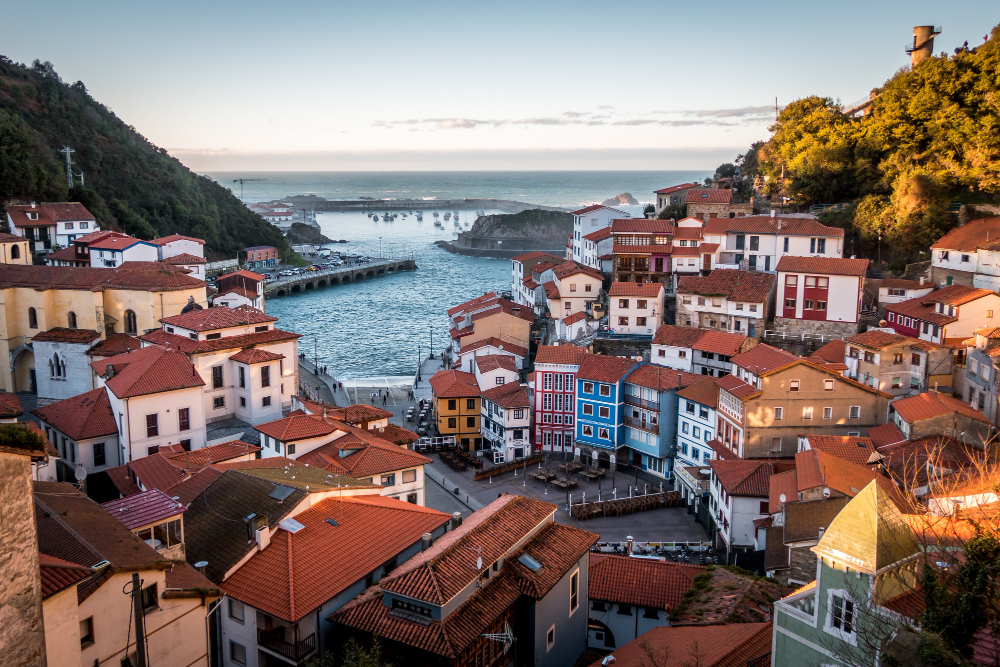
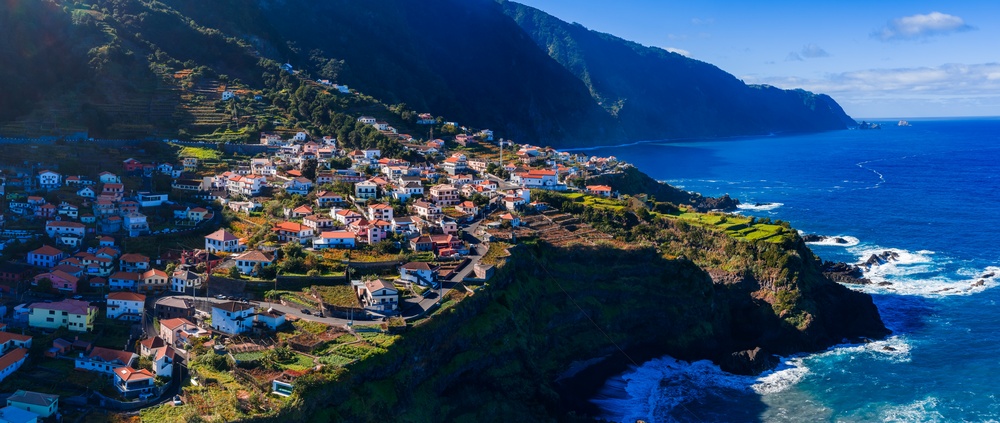
The Atlantic archipelagos of Madeira and the Azores are increasingly being recognised as strategic assets in Portugal’s economic future.
Once considered peripheral, both regions are now attracting growing investor interest, supported by EU funding, competitive tax frameworks, and their unique geographic position between Europe, the Americas, and Africa.
The archipelagos are classified as Outermost Regions (ORs) of the EU, bringing major funding packages. Total Cohesion Investment amounts to €1.9 billion for the 2021–27 period, while the POSEI Programme, an agricultural scheme worth €106 million per year, supports local production and the supply of essential goods.
The islands also benefit from the EU’s highest co-financing rate of 85%, meaning local governments need only provide 15% funding for infrastructure such as airports and ports.
In addition, €315 million is shared among EU Outermost Regions to support maritime and fisheries sectors, helping offset the higher costs associated with operating in remote waters.
The Portuguese government also contributes through a range of tax concessions. Standard VAT, typically set at 23%, is reduced to 22% in Madeira and 16% in the Azores.
Corporate tax, which stands at 19–20% on the mainland, is lowered to between 13% and 14.7% in Madeira and 13% to 14% in the Azores.
The Madeira International Business Centre operates as a low-tax zone where companies based on the island pay a 5% corporate tax rate on foreign-source income until 2028, compared to the mainland rate of 19%, and these firms are largely exempt from withholding taxes on dividends paid to non-residents.
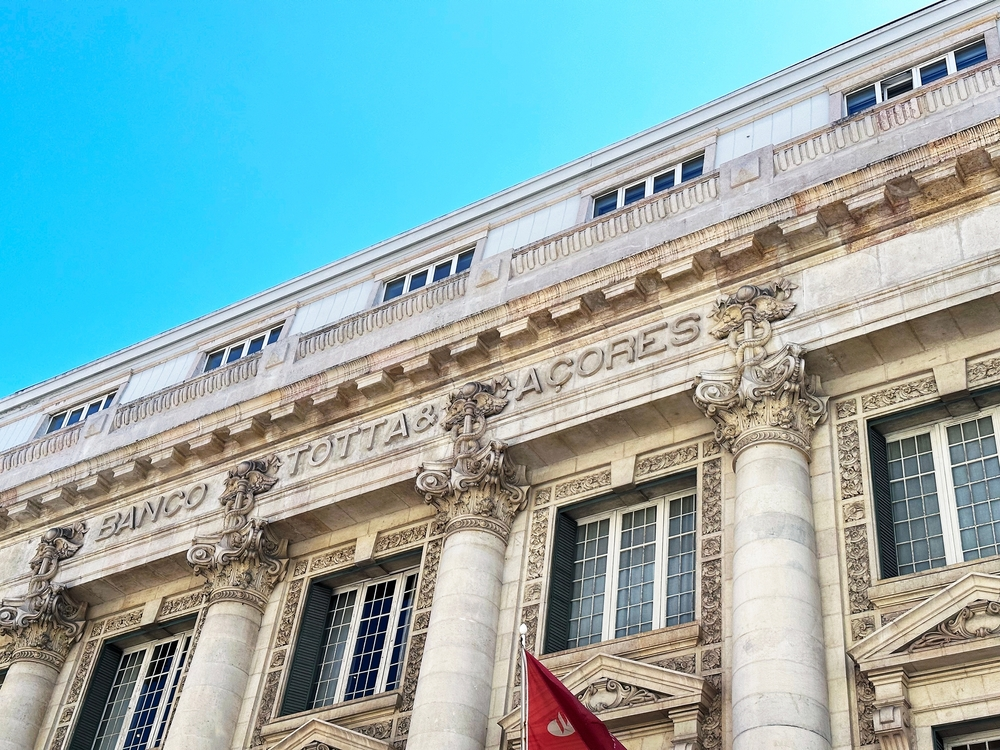
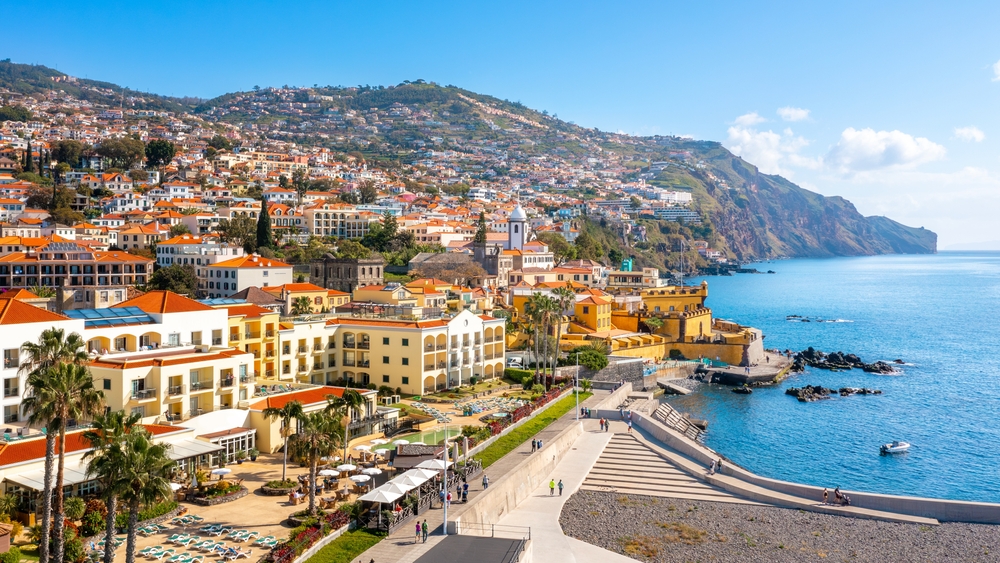
Madeira offers a welcoming corporate tax environment
Personal income tax for residents in both archipelagos is also 20–30% lower than the national rate.
On top of such fiscal incentives, the islands’ strategic mid-Atlantic position, at the crossroads between Europe, the Americas, and Africa, has focused investment interest in several key sectors.
The blue economy, centred on the sustainable use and conservation of ocean, sea, and coastal resources, is a major opportunity, with the vast and EU-protected Exclusive Economic Zones around the archipelagos offering access to deep-sea minerals, fisheries, and marine biodiversity.
This supports growing industries such as sustainable aquaculture, marine biotechnology, and ocean research, all of which can drive long-term, high-value economic activity and exportable expertise.
Renewable energy is another area of strong potential, as the islands’ wind, wave, and geothermal resources create ideal conditions for clean energy innovation, testing, and development.
Investment in offshore wind farms and ocean energy technologies can reduce energy dependency while also generating valuable expertise for export.
At the same time, the archipelagos are emerging as digital and innovation hubs. With expanding subsea cable networks, they are increasingly attractive as data and digital service centres, drawing startups, remote workers, and global firms looking for resilient and strategically located bases.
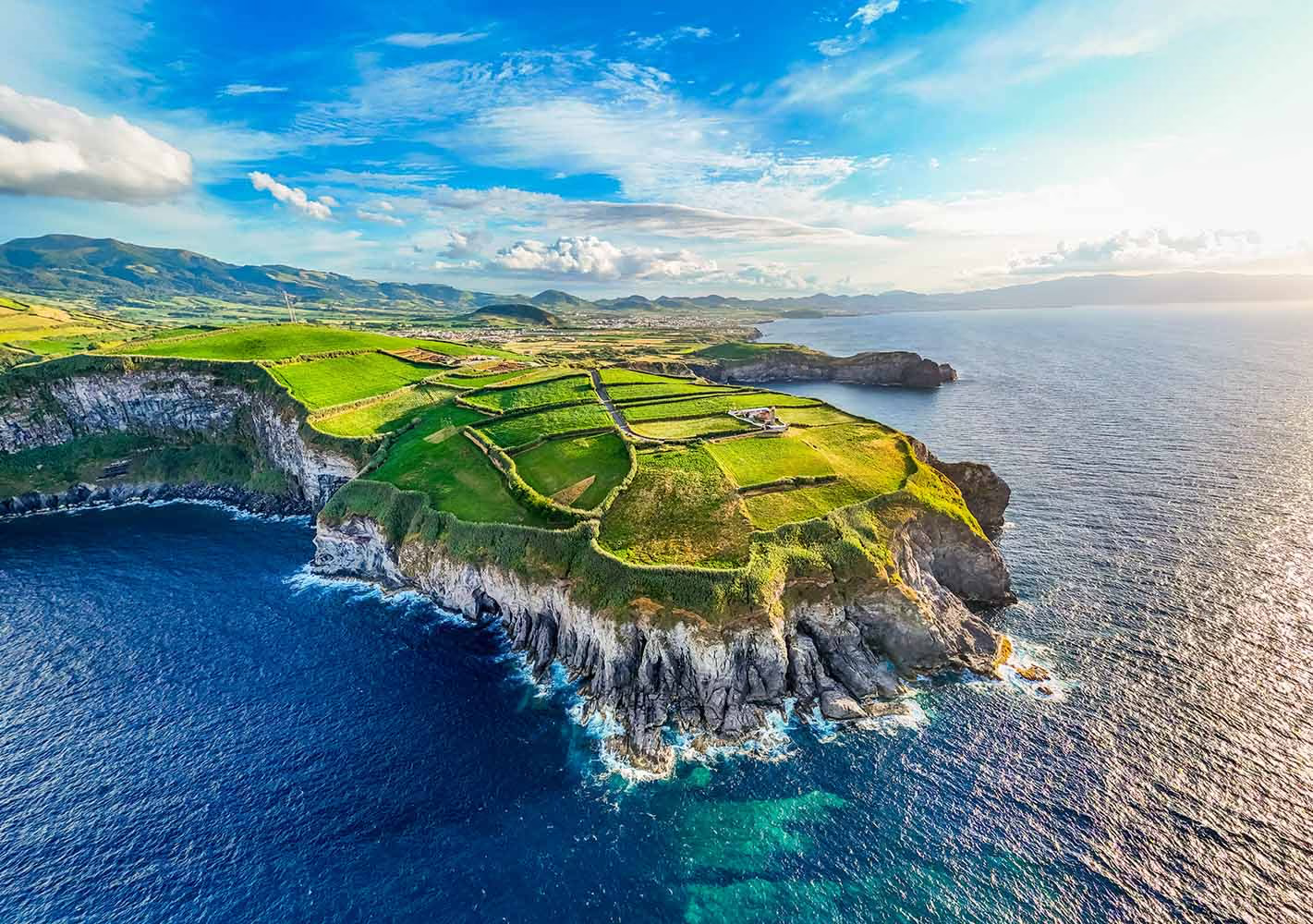
The Azores are at the forefront of Portugal's clean energy transition
Sustainable tourism also continues to evolve, with both island groups globally recognised for their natural beauty and eco-tourism appeal.
Investment in high-end, low-impact tourism, including wellness, adventure, and scientific travel experiences, offers the potential to increase revenue while preserving fragile ecosystems.
Scientific research and biotechnology further enhance the islands’ appeal, as their unique marine environments attract pharmaceutical and biotech research initiatives, alongside potential partnerships with universities and international institutions.
Marine-derived compounds and genetic resources present significant high-growth export opportunities.
Paul Stannard, chairman and founder of Portugal Pathways and the Portugal Investment Owners Club, said: “Building upon their strategic mid-Atlantic position, Portugal is looking to transform these blue frontiers into centres for digital innovation and sustainable tourism.
“And investment there doesn’t simply grow regional economies but secures Portugal’s role as a leader in the clean energy transition, driving national GDP by attracting high-value international capital and, potentially, building and exporting ‘green’ expertise.”
Portugal Pathways has supported hundreds of Golden Visa residency-by-investment applications and provides expert guidance through its professional supply chain network on estate planning, wealth management, Golden Visa and tax optimisation, including post-NHR / IFICI tax regime planning, as well as private healthcare, money transfers and bespoke relocation and luxury real estate solutions to enhance life and investment in Portugal
Disclaimer: The information on the Portugal Pathways and Portugal Investment Owners Club (PIO Club for short) websites and in email communications is for general informational purposes only and should not be construed as legal, tax, or financial advice. You should consult and check with a qualified professional advisor before relying on any information provided on this website or in email communications. As it relates to investments in Golden Visas or other wealth management solutions offered by regulated and professional advisors, it is important to note that past performance is no guarantee of future returns. Private equities can be highly illiquid and come with risk and should always be under professional independent advice. Golden Visa investments need to be held for 6 to 7 years to allow for permanent citizenship/passport in the EU.
Disclaimer:The information on the Portugal Pathways and Portugal Investment Owners Club (PIO Club) websites, and in our email communications, is general information only. It is not legal, tax, immigration or financial advice, it is not a personal recommendation, and it is not an offer or invitation to buy, sell or subscribe to any investment. You should take advice from an appropriately qualified and regulated professional, based on your own circumstances, before acting on anything published here.
Portugal Pathways and PIO Club are information businesses. We are not authorised to provide regulated investment advice or to manage investments, and we do not do so. Where regulated services are required, we work alongside separately regulated third-party firms; those firms are responsible for the advice they give and the products they provide, and you contract with them directly. Our commercial relationships and any fees we receive are disclosed to you. We describe our model as integrated, transparent and conflict-managed.
Residency and citizenship are governed by Portuguese law and administered by AIMA and the competent authorities. Eligibility criteria, qualifying categories, processing times and statutory periods are set by law and change from time to time. No investment guarantees the grant of a residence permit, permanent residency or citizenship, and we make no representation as to how long any application will take. Naturalisation is a separate legal process with its own statutory requirements.Investments carry risk. Capital is at risk and you may get back less than you invest. Past performance is not a guide to future returns. Private market and fund investments can be highly illiquid, may not be readily realisable, and may not be suitable for all investors.








.avif)

.jpg)

.jpg)

.avif)
.avif)
.jpg)
.jpg)
.jpg)
.jpg)
.jpg)
.jpg)
.avif)
.avif)
.avif)
.jpg)

.jpeg)
.jpeg)